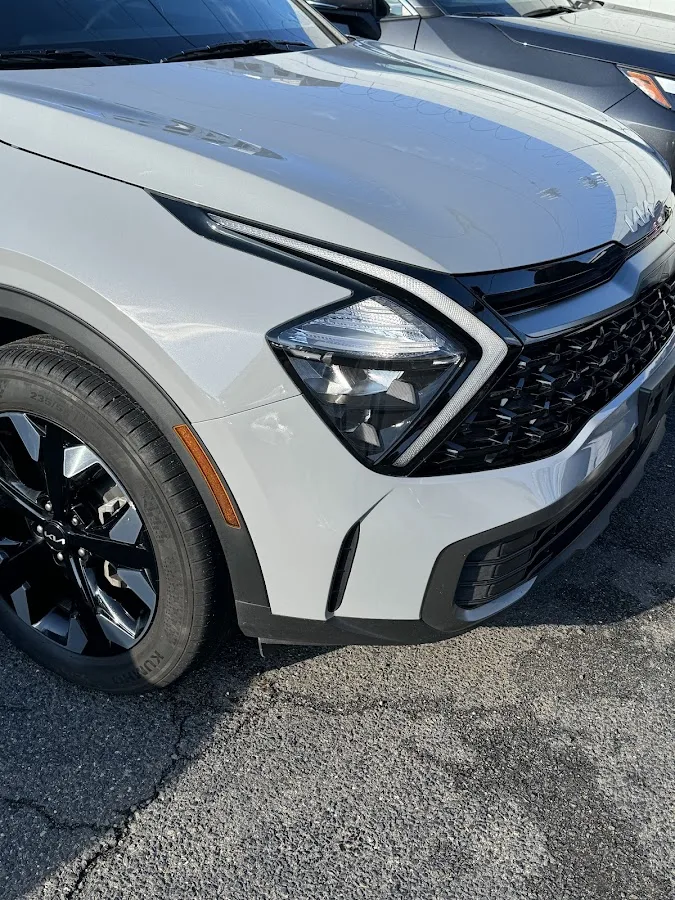
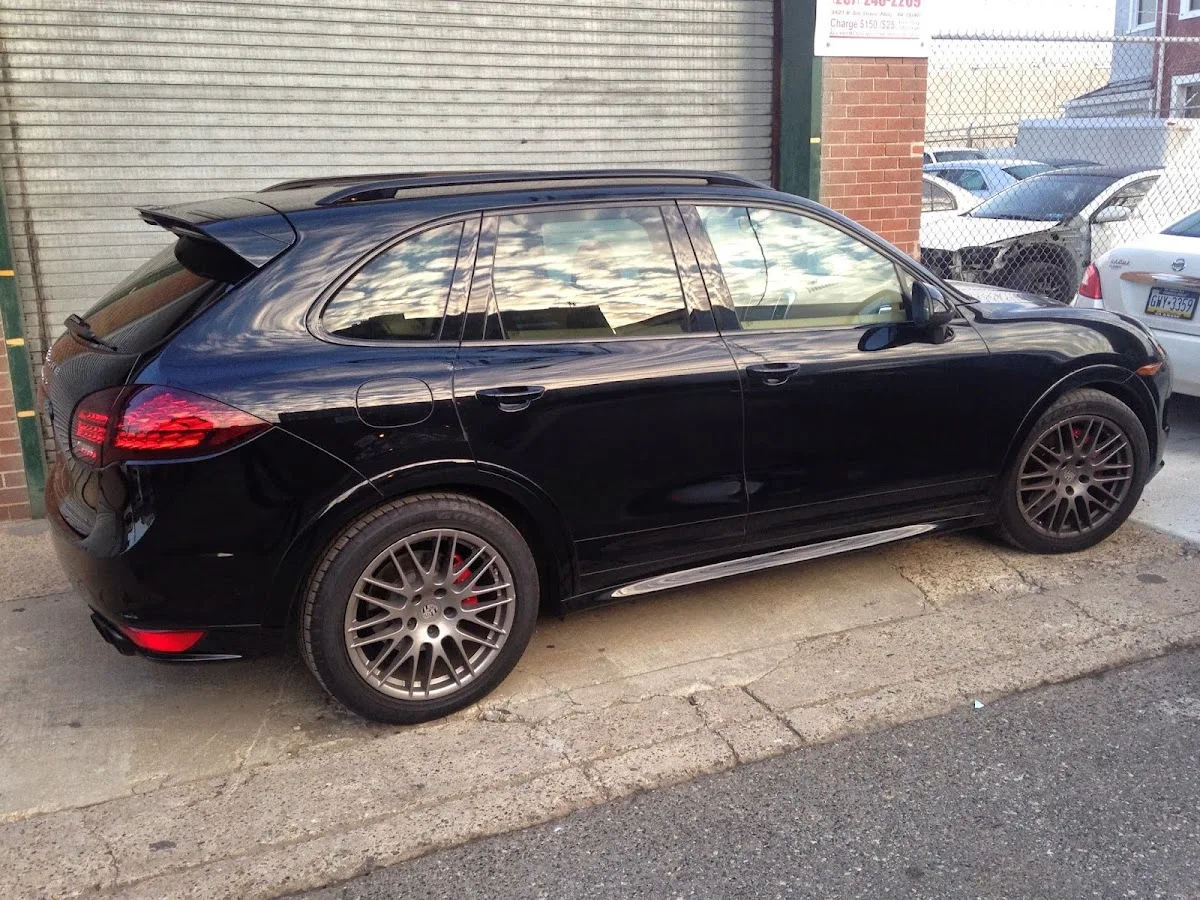
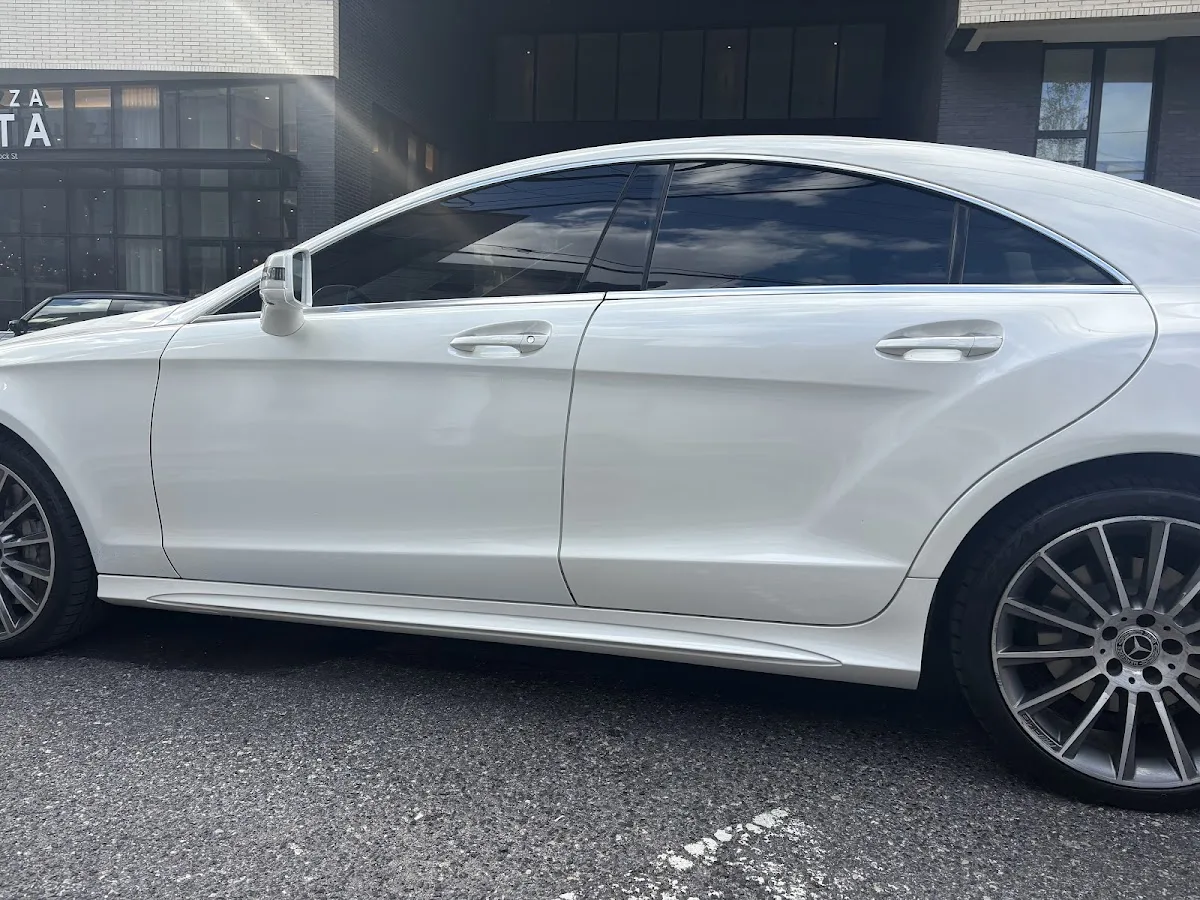
When you’re working through a collision repair claim, the estimate should do more than list prices—it should translate the inspection findings into a repair plan you can verify. If you’re considering Auto-Glen, a collision repair center in Ridgewood, NY, use the estimate as your “paper trail” for scope, refinishing, and the paperwork that may change after teardown.
Check the repair scope against the damage findings
Start by reading the estimate for what it actually intends to fix. Rather than focusing only on the line-item total, confirm the documented scope aligns with what was found during the initial inspection—such as damaged bumpers or panels, any alignment-related notes, and any references to additional damage that could be discovered after parts removal.
It also helps to ask how the shop connects inspection results to the repairs in plain language. A strong estimate should make it clear which panels are refinished, which parts are replaced, and which structural items are addressed, so you can understand what was authorized for the job.
Ask how paint match will be blended and finished
Paint match is often where customers encounter ambiguity. A useful plan doesn’t stop at “paint will match”—it explains how the refinish will be blended and controlled so the repaired area doesn’t stand out after washing and exposure to daylight.
When you review the estimate with Auto-Glen, request details on the refinish approach, including how blend boundaries are handled and how final finish quality is evaluated. If the repair involves adjacent components—like a bumper cover plus nearby panel edges—the estimate should reflect that the paint strategy accounts for those transitions.
Confirm what triggers supplements after teardown
Supplements usually happen when new findings appear once parts are removed and the vehicle is inspected more thoroughly. Before work begins, ask what process the shop uses to handle newly identified needs, including how additional work is documented and how authorization is obtained when the insurer adds supplement requests.
The key is consistency: your final paperwork should still reflect the authorized scope, including any changes introduced after teardown. If the supplement process isn’t clear up front, it becomes harder to verify whether the completed job matches what was approved.
Use Auto-Glen’s Ridgewood details to guide your call
If you plan to contact the shop, keep the logistics simple. Public information for Auto-Glen lists the address as 61-15 71st Ave, Ridgewood, NY 11385, with phone support at +1 718-417-4919, and a website at http://autoglen.com/.
Go into the conversation with your claim status and any photo or estimate documents you already have. If you have concerns about parts choices (for example, OEM versus aftermarket) or other work elements driven by vehicle condition, parts availability, or technical requirements, ask for the specific wording that will appear in the estimate and final paperwork. That way, you can verify what was authorized and what was ultimately performed.
Look for consistency in the finished repair documentation
Once repairs are complete, don’t treat the paperwork as a formality. Review the final documentation to confirm it matches the authorized scope and the supplement decisions made along the way. A reliable outcome shows consistency between what the estimate described and what was actually performed, especially in the refinishing notes.
If you notice issues such as panel mismatch, uneven gloss, or alignment concerns, bring them up promptly while the repair is still fresh. Your best chance for a clear, confident result comes from aligning expectations before work starts—by making sure the estimate clearly explains the paint match strategy and the supplement handling process.