After a crash, your estimate should read like a repair plan—not a vague cost total. For drivers considering Charlie’s Auto Collision Inc in Long Island City, NY, the safest approach is to verify that the written scope matches what’s wrong with the vehicle, especially when paint and refinishing are part of the job.
Start with the “repair-ready” basics at the estimate table
When a collision shop prepares an estimate, it should be specific about what will be inspected, what will be repaired, and what documentation will come with the authorization. Charlie’s Auto Collision Inc lists its location as 38-44 13th St, Long Island City, NY 11101 and a direct phone line at +1 718-482-8766, so it’s reasonable to ask for an appointment that lets the estimator explain the plan clearly. If you’re handling insurance paperwork, confirm whether the shop is working directly with your insurer or if you will be authorizing parts and labor yourself.
A strong estimate is also easy to challenge. If something feels unclear—like whether a panel is being repaired versus replaced, or whether certain work depends on teardown—ask the shop to spell out the decision points in writing before you sign.
Verify the paint match and blending boundaries (not just “color match”)
Paint is where many estimates become ambiguous. Instead of accepting generic language, ask how the shop will prevent visible differences between panels. You want to know where blending will occur and what the finish target is (for example, whether the plan involves refinishing adjacent areas or keeping work limited to the damaged surface).
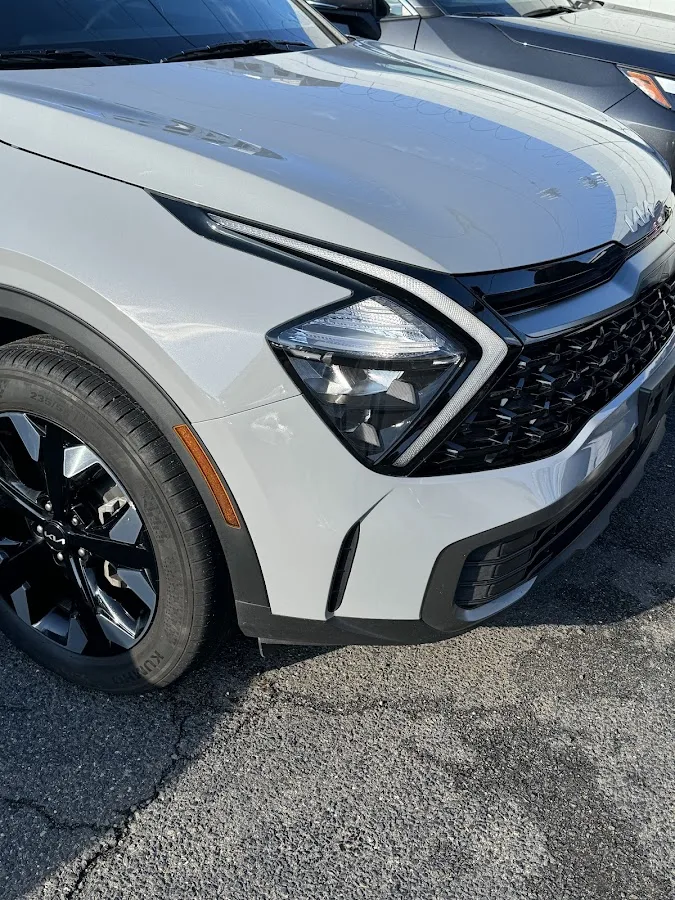
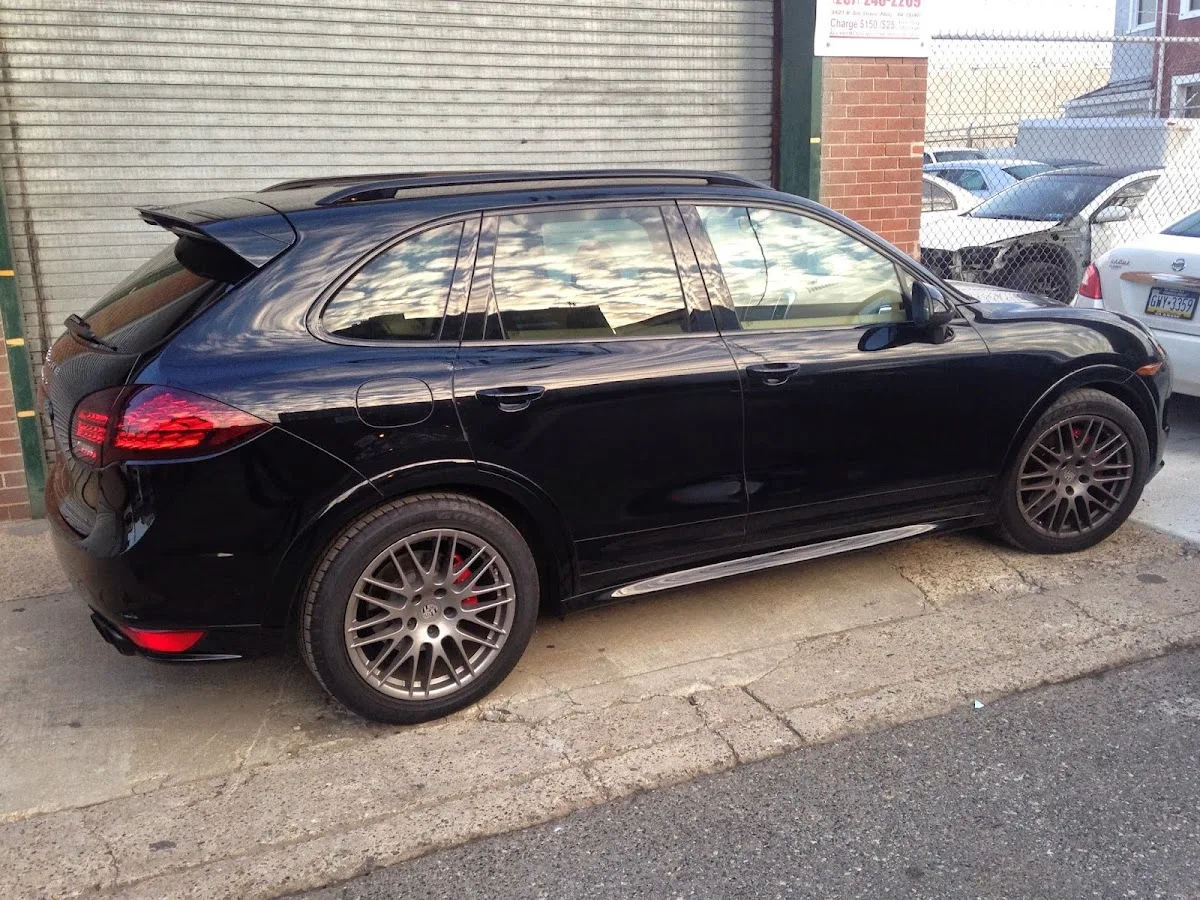
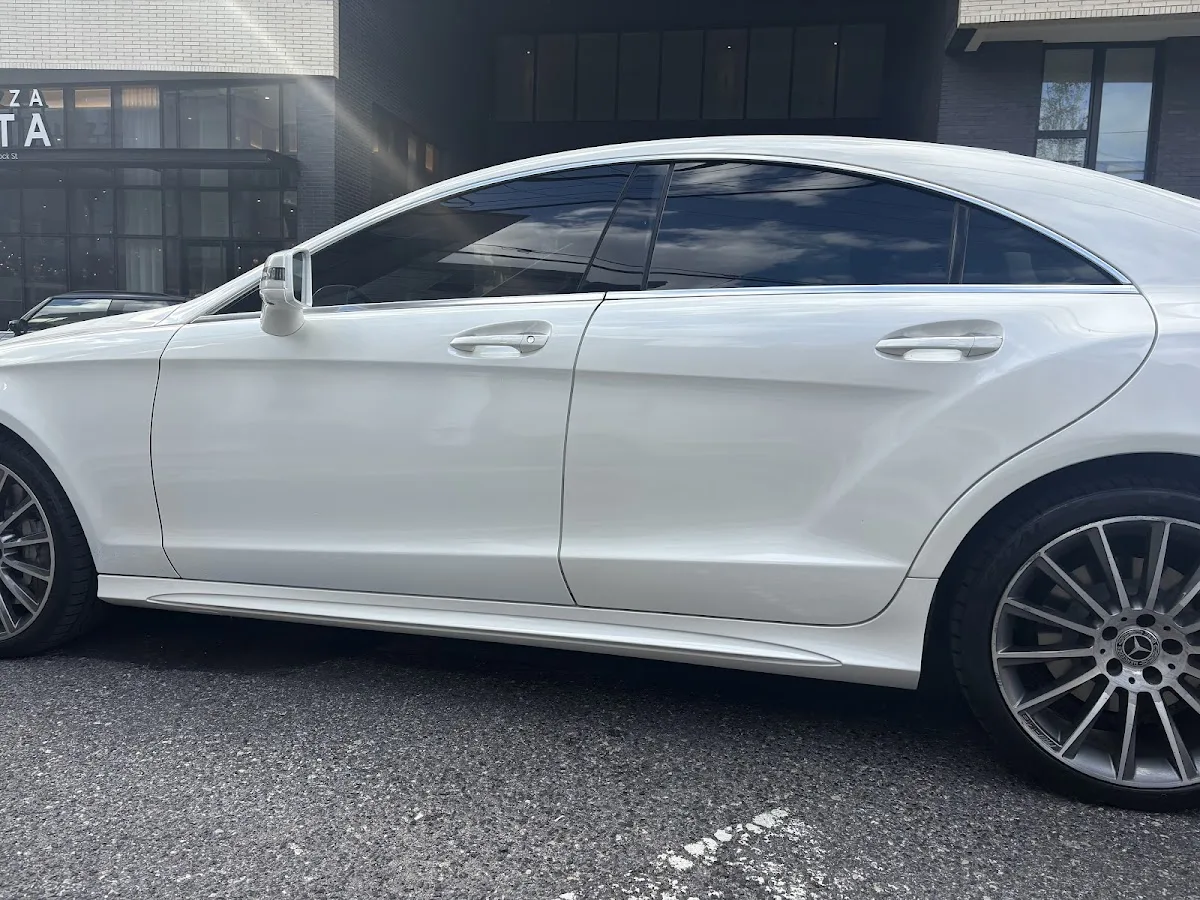
For a clearer discussion, bring photos from the day you noticed the damage (including close-ups and wider shots). Then ask the shop to reference those images when explaining the paint approach. The goal is simple: you should be able to point to the areas that will be refinished and understand why.
Clarify “supplements” before teardown happens
After parts are removed, shops sometimes find additional issues. That doesn’t automatically mean something was missed, but it does mean you should ask how supplements are handled. Confirm whether you’ll receive an updated line-item estimate, what triggers the update, and whether you have to approve any added work and related costs.
If the estimate is being driven by insurance, ask whether supplement approvals follow the insurer’s process or if the shop uses its own authorization workflow. Getting this straight at the start helps avoid surprises after disassembly.
Ask about parts choices and finish expectations in plain language
Collision estimates often include parts sourcing decisions that can affect both appearance and repair lifespan. Ask what type of parts are planned (and whether the shop can document the choices). Then connect that to finish expectations: for example, whether certain components will be refinished to match the surrounding panels and how the shop plans to ensure consistent texture and sheen.
If the shop offers an appointment workflow through its website, you may be able to provide vehicle details and schedule an evaluation. Charlie’s Auto Collision Inc has an appointment booking page on Carwise that shows the facility’s listing details, including the 38-44 13th St address and the +1 718-482-8766 phone number.
Make documentation part of your decision
Before you approve anything, request clarity on what you’ll receive: a written estimate, the scope of work, and any relevant notes about repair versus replacement. If you’re concerned about the quality of the paint and blending work, ask how the shop documents the refinishing plan and what expectations you should have when you pick up the vehicle.
The best collision decision isn’t just choosing a shop—it’s approving a repair plan you can understand. By verifying the paint approach, supplement process, and parts/finish expectations up front, you reduce the chance of miscommunication and protect the outcome of the work.