After a collision, visible damage is only one part of the repair decision. Drivers also need to understand what the shop inspected, which operations it proposes, and how changes or approvals will be handled. City Collision’s Penn Avenue location page describes collision repair, diagnostics and calibrations, paint services, non-collision damage repair, and estimate and claim guidance. Those service descriptions help frame a conversation, but the vehicle-specific estimate and written terms should guide the actual decision.
The location is listed at 2950 Penn Ave, Pittsburgh, PA 15201, with a published phone number of +1 412-281-6250. Its page lists weekday hours of 8 a.m. to 5 p.m. and says it is closed Saturday and Sunday. Confirm current hours and appointment arrangements before traveling, particularly if the vehicle may not be safe to drive.
Match the inspection to the damage and symptoms
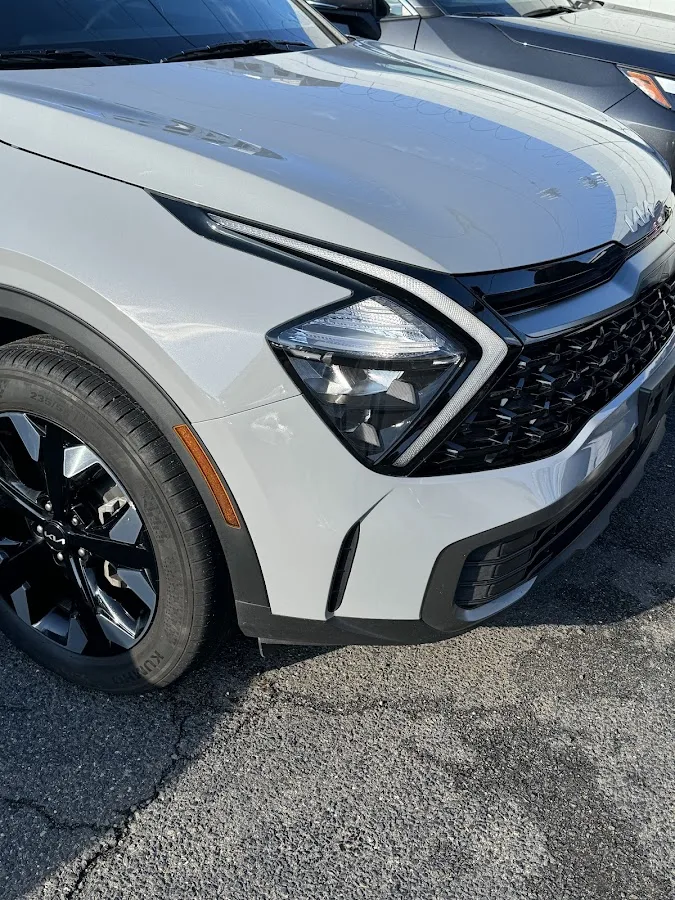
The location page presents collision repair alongside diagnostics and calibrations, paint work, and repairs for damage such as hail or vandalism. When describing a vehicle, give the shop more than a general label such as “bumper damage.” Note which areas were struck, whether a door or panel no longer operates normally, and whether warning lights or changes in driver-assistance features appeared afterward. These details can help establish what should be inspected and whether the estimate needs to address concerns beyond visible bodywork.
A listed service is not a diagnosis or a promise that a particular operation applies to every vehicle. Ask the shop to connect each recommended repair to the damage found and identify any item that still depends on inspection. That distinction is useful when comparing estimates: it shows what is currently included, what remains uncertain, and what could change if additional damage is found.
Use the written estimate to understand scope and approvals
City Collision’s page describes a free estimate and says the team provides estimate and insurance-claim guidance. Review the written estimate as a description of proposed work, not just a total. Look for the repair operations, parts and paint work included, along with any diagnostics or calibration being recommended. If an item is not clear, ask for an explanation before authorizing work.
Collision damage can reveal additional needs during repair. Before work begins, understand how a possible supplement or other scope change will be presented, who must approve it, and how the updated amount or work will be documented. If an insurer is involved, clarify what information the shop will coordinate with the insurer and what decisions or approvals remain yours. The page’s claim-support description does not establish that a particular repair is covered or that payment has been approved. Keep the estimate, authorizations, and later changes together so the agreed scope is clear.
Connect paint and calibration recommendations to the repair
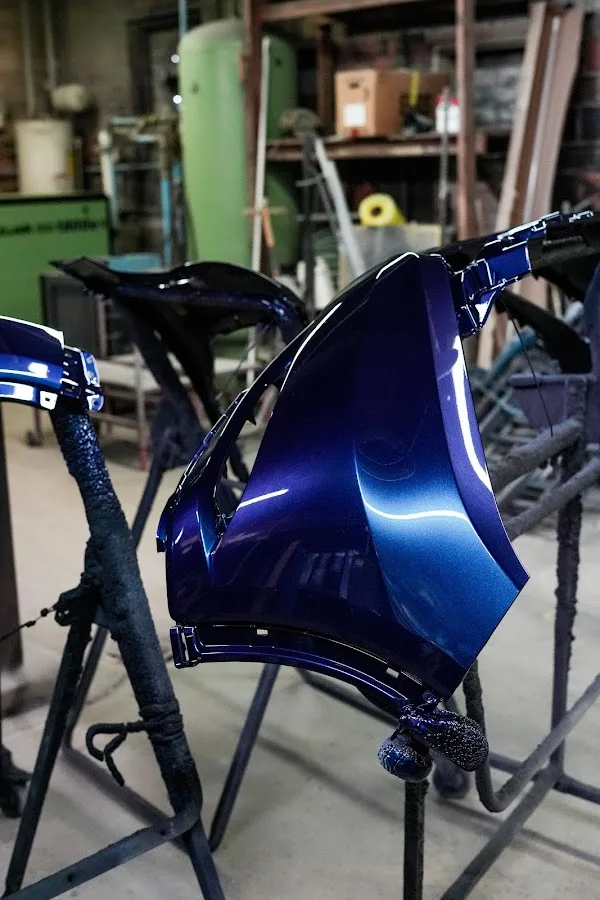
The page lists paint services as well as diagnostics and calibrations. For a repair involving refinishing, check which panels and paint operations appear in the estimate. If adjacent panels or blending are being considered, have the shop explain whether that work is included and why it is part of the proposed scope. This makes it easier to understand what the estimate covers without assuming a particular paint process or result from a general service description.
For a vehicle with sensors or driver-assistance features, ask whether the inspection indicates that calibration is needed, which system is involved, and how the recommendation will appear in the repair documentation. City Collision’s page says the location offers diagnostics and calibrations, but it does not say that every collision requires calibration or list capabilities for every make and model. A vehicle-specific explanation helps distinguish a relevant operation from a service that is simply available in general.
Set realistic timing and pickup expectations
The City Collision page makes a broad statement that most repairs are completed in 3–5 business days. Treat that as a general published timeline, not a schedule for this particular Penn Avenue repair or a guarantee. The time for an individual vehicle may depend on its damage and the work ultimately included. Get a timing estimate for the vehicle, ask what could change it, and establish how the shop will communicate updates.
The page also describes a final quality check and a vehicle walk-around before pickup. Find out what the pickup review will cover and what repair or payment paperwork will be provided. If transportation during repairs matters, discuss arrangements directly rather than assuming rental coordination or another transportation service is included.
Get the lifetime-warranty terms in writing
City Collision advertises a lifetime warranty, but the headline alone does not explain its scope. Before authorizing repairs, obtain the applicable written terms and review what work or parts they cover, any exclusions, and how to raise a warranty concern. Keep those terms with the estimate and final repair documents. This gives you something specific to refer to later instead of relying on a broad description.
A sound decision rests on a clear chain from observed damage to proposed work, approvals, timing, and written warranty terms. City Collision’s published service information can help Pittsburgh drivers identify the subjects to discuss; the estimate and repair documents should make clear what applies to the individual vehicle.