Once you get an estimate, the real work of choosing a collision repair shop starts. For drivers in New Haven, CT, Columbus Auto Body Works, Inc. is listed with a focus on collision repair and related work, and the shop’s public materials emphasize experience plus a 1-year parts, paint, and labor warranty. If you want to avoid surprises after authorization, use the questions below to match the paperwork to what will actually happen to your vehicle.
1) Confirm the estimate matches what teardown may reveal
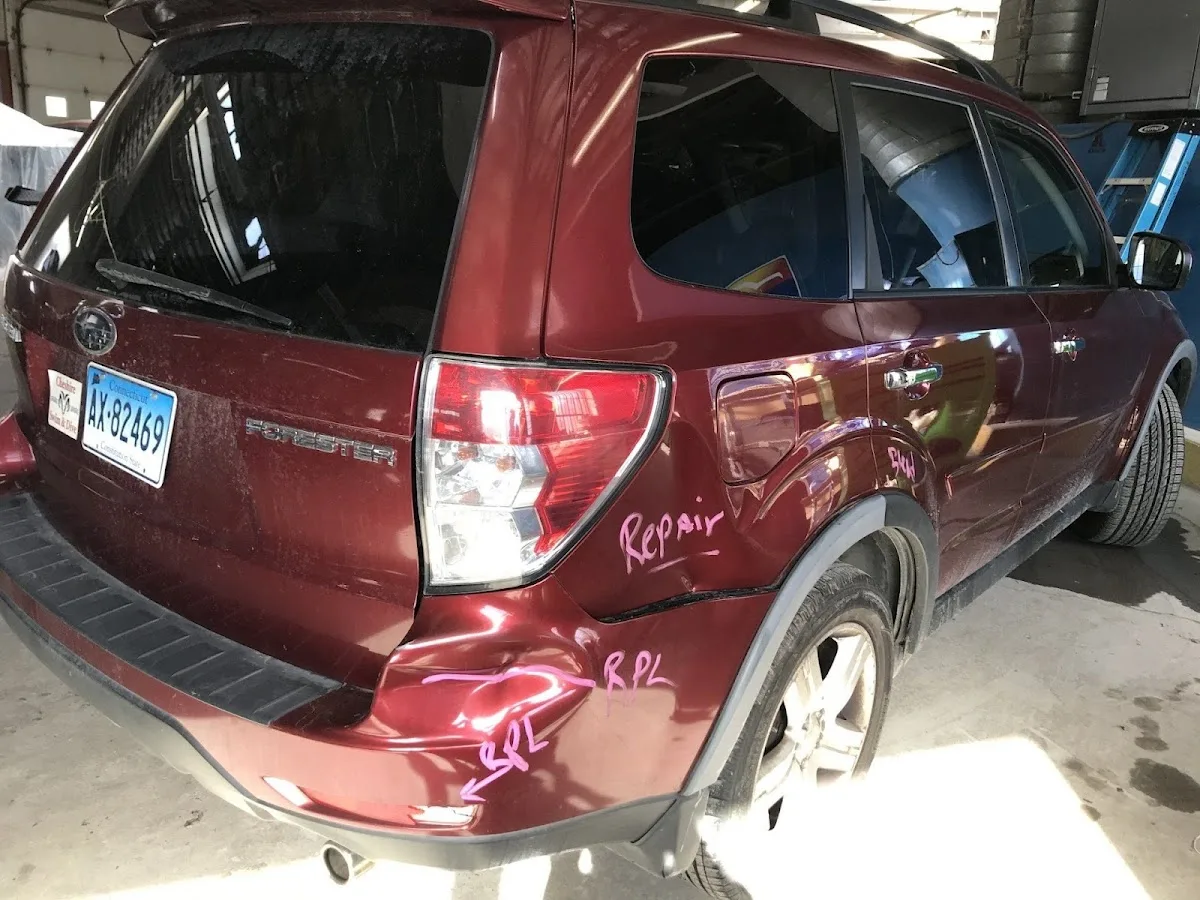
Collision estimates can look “clean” until parts come off and hidden damage is found. Before you approve, ask for a plain-language description of what’s included in the current scope and what would trigger a supplement. Then confirm how the shop will get your approval if additional work is discovered. This matters most for areas that commonly conceal damage—attachments, brackets, and any panel edges that may not show impacts on the first look.
2) Lock in paint expectations that are tied to your panels
Paint is where “close enough” can become obvious. Ask how the shop approaches paint matching for your specific panels and whether the plan involves blending/refinishing practices that make the repair area match the surrounding finish. Columbus Auto Body Works, Inc. is positioned around collision repair and paint matching, so you should be able to get a concrete explanation of what they intend to do—beyond saying the color will be matched.
Also ask whether they’ll document what products and coating system are used, because that becomes important when you’re evaluating the warranty that covers paint. If you have a higher-risk color (metallics, multi-stage finishes, or older factory color that’s been repainted), make that part of your pre-approval conversation.
3) Understand what the 1-year warranty is covering (and what you must do)
The shop’s website materials highlight a 1-year warranty on parts, paint, and labor. That’s a helpful signal—but you still need the details. Request the warranty language in writing and confirm what it applies to: covered components, how claims are handled, and whether routine maintenance or improper driving/repairs after pickup affects eligibility. The goal is simple: know what will be covered if something doesn’t meet expectations after the repair is complete.
4) Make the phone call about approvals, not just scheduling
When you’re deciding, prioritize how communication works during the job. Columbus Auto Body Works, Inc. lists a direct phone number at +1 203-803-1857, plus the shop’s public website at https://www.columbusautobodyworksct.com/. Before you drop the vehicle off, call and confirm:
- How they contact you if the scope changes
- What forms are required before work begins
- How they document approvals for supplements
- What you should expect during updates (timelines, checkpoints, and who you reach)
That process question often matters as much as the final paint finish—because if the workflow is unclear, repairs can stall, and you may not be aware of changes until the car is already apart.
Where the shop is located for pickup/drop-off planning
Columbus Auto Body Works, Inc. is publicly listed at 487 Columbus Ave, New Haven, CT 06519. Use this address when planning how you’ll get the vehicle to the shop, and ask about practical logistics such as keys, release timing, and how you’ll handle paperwork at authorization.
5) The “fit” test: match the shop to your risk level
Not every repair decision has the same risk. If you’re dealing with a larger bumper/fender job, deeper structural impact, or multiple paint panels, you should treat the estimate-to-authorization step with extra care. Choose Columbus Auto Body Works, Inc. if, during your call, you get specific answers about paint matching, approval for supplements, and warranty coverage—answers that are clear enough to put into writing.
Approving collision repairs is ultimately a documentation decision: make sure the estimate scope, paint plan expectations, and warranty terms line up with what will happen after teardown. If you can’t get a straightforward answer on any of those points, that’s your cue to ask follow-ups before your vehicle is in the middle of the repair process.