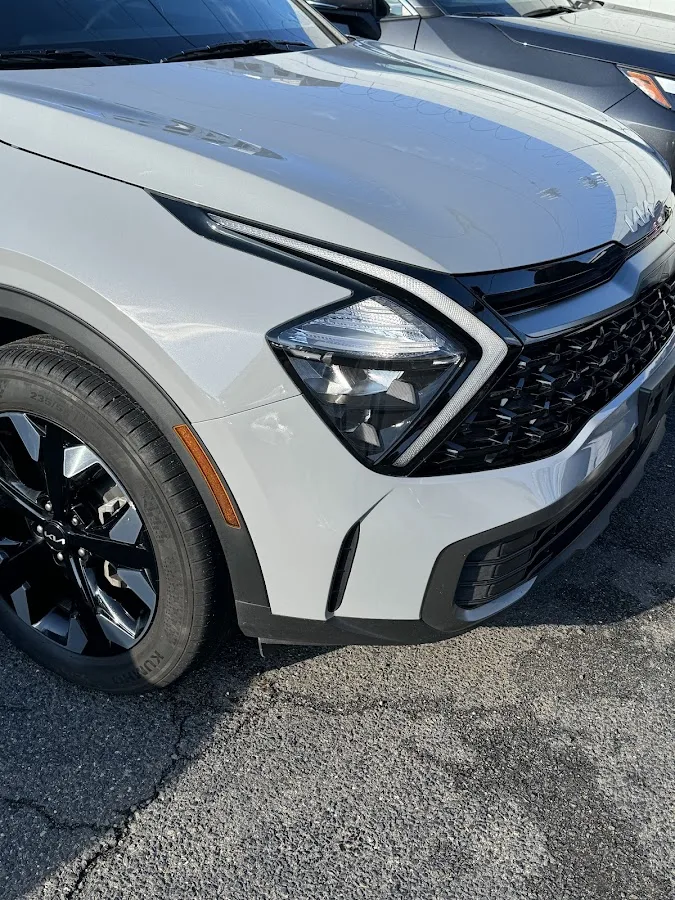
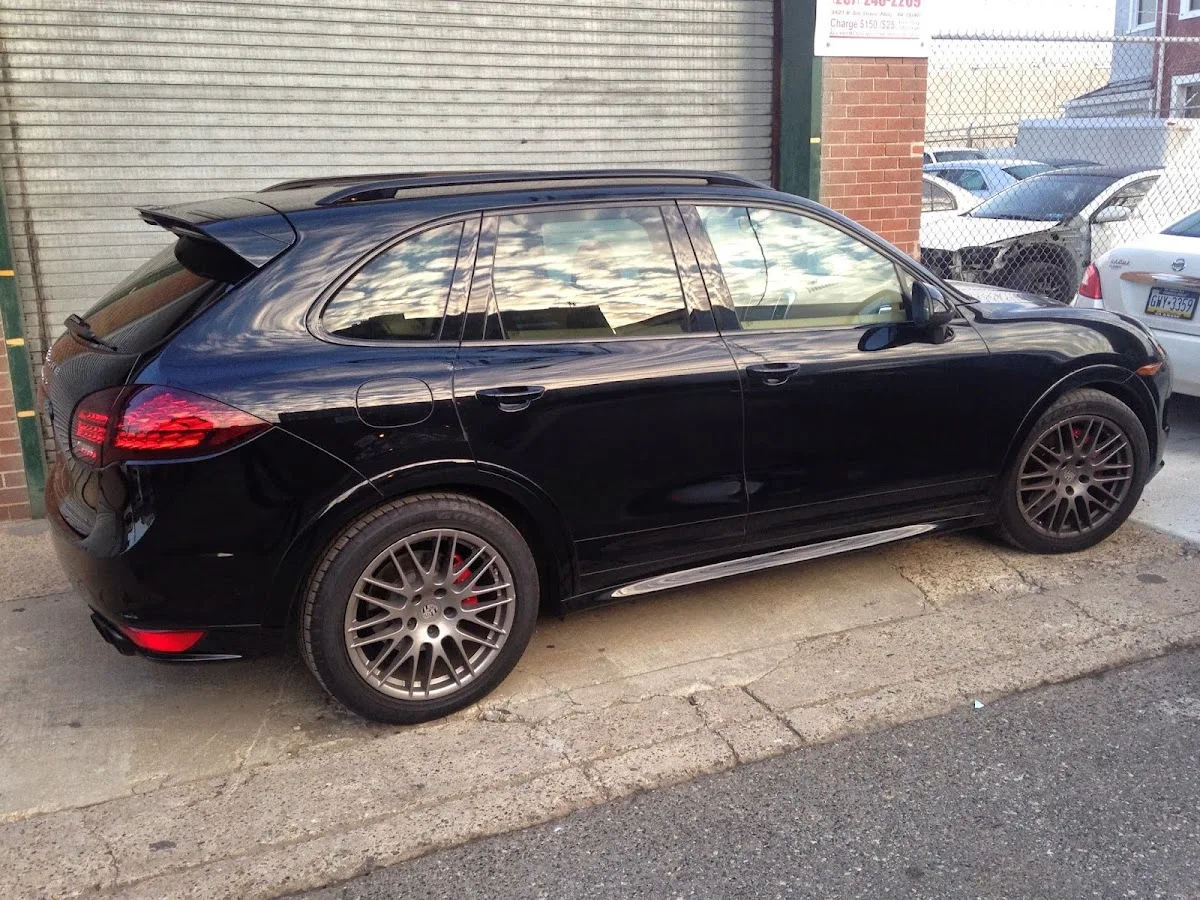
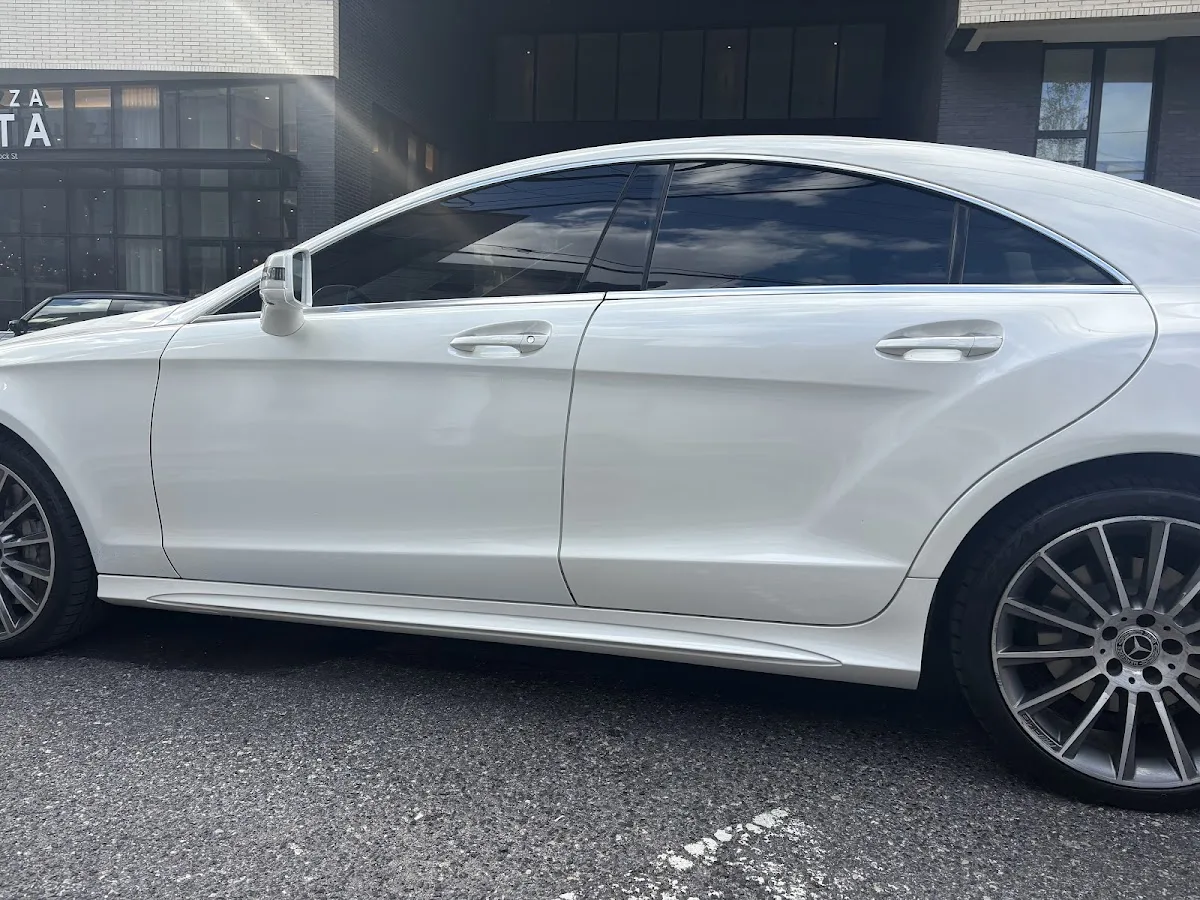
When a vehicle is damaged, the first estimate can only describe what’s visible before disassembly. Dean Auto Collision Center in Providence handles collision repairs with a process that moves through disassembly, structure and body repair, paint, and reassembly—so your best next step is to get clarity on what changes once the car is torn down.
Based on the shop’s public information—740 North Main Street in Providence and phone access at +1 401-421-4700—this is a good place to start when you want a written, panel-specific repair plan before you approve authorization.
1) Confirm the “after-disassembly” scope, not the first-line estimate
Collision damage often reveals additional issues after parts are removed. Ask Dean Auto Collision Center what the estimate is expected to cover after teardown and whether the authorization you sign accounts for common supplement scenarios. A practical confirmation question is: “If new structural or body damage is found once the vehicle is disassembled, what happens next—do you pause for additional approval, or is there an agreed supplement pathway?”
2) Match the paint and refinishing plan to the panels that will be repaired
Painting decisions are easiest to understand when they are tied to the exact panels you’ll see after repair. For example, color match and blending expectations can differ depending on whether the shop is refinishing a single panel versus multiple adjacent surfaces. Dean Auto Collision Center’s process includes a dedicated “paint” step, so use that structure to your advantage: request a paint plan that identifies which panels will be refinished and how blending/finish continuity is handled for the visible areas.
3) Ask how insurance coordination and supplements are handled
If you’re working with insurance, the biggest source of frustration is usually paperwork timing—especially when supplements are needed. The shop states it works with all major insurance companies and that it advocates for customers, so confirm what “advocate” means in your specific claim workflow.
Before work begins, ask for a clear explanation of how the shop communicates with the insurer, when supplements are introduced, and how you will receive updates. If the shop is handling claim coordination, you still want a written paper trail you can reference later.
4) Verify materials and repair certifications the shop is using
Paint and collision repair quality depends on both technique and tooling. Dean Auto Collision Center publicly notes it is an I-Car Gold Shop Certified facility and that it has aluminum repair certification. If your vehicle includes aluminum components or if the damage involves mixed materials, ask the estimator what parts of the repair plan reference those capabilities.
Even when a shop says it’s certified, it’s worth requesting what that translates to for your car: the specific repair steps, the standards used during prep and finishing, and how they document the work performed.
5) Get your approval documents ready before you drop the car off
To keep the timeline realistic, be prepared to clarify approvals in writing. Bring the insurer claim information if you have it, and ask the shop to explain what you are authorizing right now versus what requires a follow-up check.
Dean Auto Collision Center’s contact details are listed on its official website at http://www.deanautocollision.com/, and it also lists direct phone access. If you can’t get answers in one call, ask for an estimate review appointment so the written scope and the paint plan for your panels are aligned before repair begins.
What to ask right before you sign
Before you approve any work, request short, direct answers to three points: (1) what the scope covers after disassembly, (2) exactly which panels will be repaired and refinished, and (3) how supplement decisions are approved and documented. When those are clear, it’s much easier to compare estimates, manage expectations, and avoid surprises once the car is apart.
For a Providence collision repair situation, starting at 740 North Main Street and using +1 401-421-4700 to confirm the after-teardown plan is a practical way to protect both your budget and the finished look of the repair.