At 33-11 37th Ave, Astoria, NY 11101, a collision repair estimate should read like a repair roadmap—clear about what will be fixed, how it will be refinished, and what documentation decisions may follow. Dynamic Collision ties its process to insurance workflows and is reachable at +1 347-275-7688. When you’re reviewing an estimate before approving repairs, focus on the details that most often shape the final outcome: paint blend strategy, frame alignment verification language, and how insurance supplements get processed if new damage is found.
From inspection to scope: make sure the estimate connects findings to specific repairs
A strong estimate doesn’t feel like a generic list. It should translate the shop’s inspection findings into concrete repair actions and refinishing steps. Dynamic Collision’s stated work includes refinishing and collision repair tied to insurance processes, so your written scope should reflect what the shop observed and what it plans to do during repair and teardown.
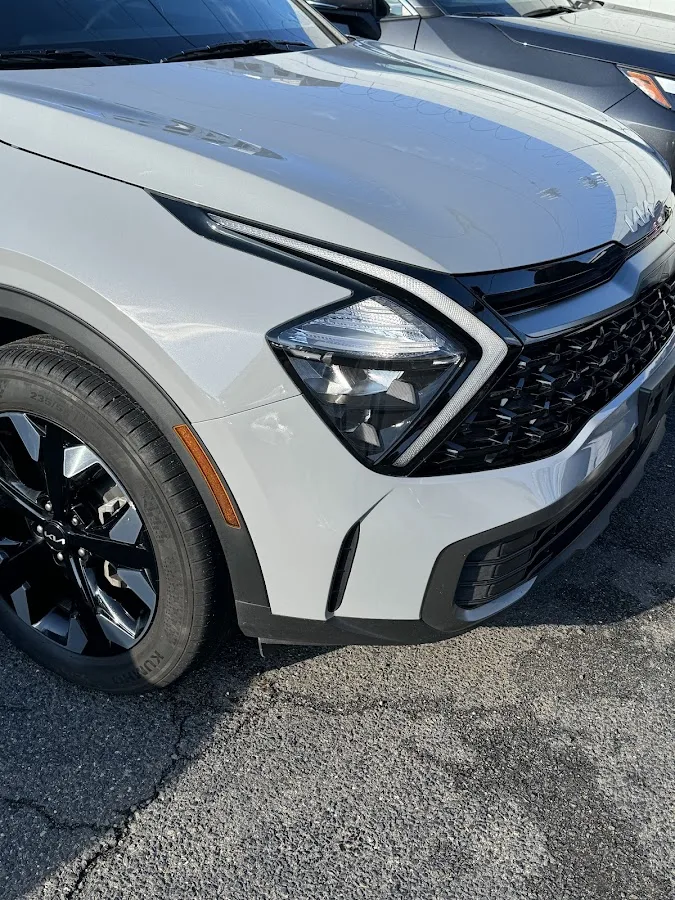
As you review, confirm that the scope of work is tied to the damage you’re seeing and the repair steps the shop plans to perform—such as repairs for dent damage, bumper cover repairs, panel replacement where needed, and refinishing for affected areas. It’s also important to look for wording that the scope may be updated after disassembly or further inspection notes, because that’s where supplement scenarios can come into play.
Refinishing details that affect the finish: blend plan, booth process, and coverage
Paint results depend on both process and coverage decisions. Dynamic Collision references heated downdraft spray booth capability and “top-of-the-line refinishing,” which points to a controlled environment for refinishing work. Your estimate should still specify the practical plan for the vehicle: which areas receive paint work and how the shop intends to avoid an obvious boundary between repaired and adjacent panels.
Use the estimate to verify which panels are listed for refinishing, whether blending/spot repair is included where appropriate, and how the described approach supports the finish you want. If your approval happens before final refinishing steps, check that the paperwork matches the sequence the shop will follow to reach the finished look.
Computerized frame straightening: look for verification language, not just a promise
When structural and frame components are involved, alignment language matters. Dynamic Collision’s website describes computerized frame straightening intended to comply with manufacturer specifications. That’s an important indicator, but the estimate should clarify how alignment will be verified and documented as part of the repair.
In your estimate paperwork, confirm whether the plan specifies measurement and alignment verification steps and whether the alignment/verification references fit your vehicle’s situation. Clear verification language helps ensure the repair is planned and completed with more than general intent.
Insurance supplements: understand how new findings move through the workflow
Hidden damage can appear only after parts are removed, and supplements may be needed once teardown reveals additional findings. Dynamic Collision states it works with major insurance companies and supports insurance-related inspection and claim workflows. For you as the authorizing party, the key is clarity on how changes flow through the process.
Verify in the estimate and supporting paperwork how the claim is referenced, what the shop expects if additional damage is discovered, and how supplement approvals can affect repair timing. If the repair plan relies on insurer sign-off for added items, the estimate should explain the decision flow so you understand what could change after the shop begins repairs.
Use published shop details to confirm what you’re approving before work starts
Before authorizing repairs, anchor your review to the shop’s concrete reference points. Dynamic Collision’s published footprint includes its address at 33-11 37th Ave, Astoria, NY 11101, its website at https://dynamiccollisioninc.com/, and direct phone support at +1 347-275-7688.
Then, align on the documentation expectations: ask whether the estimate can be reviewed line-by-line so you understand what’s included now versus what may require later authorization. Finally, confirm what documents you should expect when work is released, especially in cases where supplements and paperwork updates are part of the insurance workflow.
Dynamic Collision’s Astoria/LIC address, phone support at +1 347-275-7688, and repair signals like computerized frame straightening and refinishing support a solid starting point. Still, the estimate is the roadmap—verify the paint blend strategy, alignment verification language, and the supplement/authorization workflow before work begins so the paperwork and the repairs match.