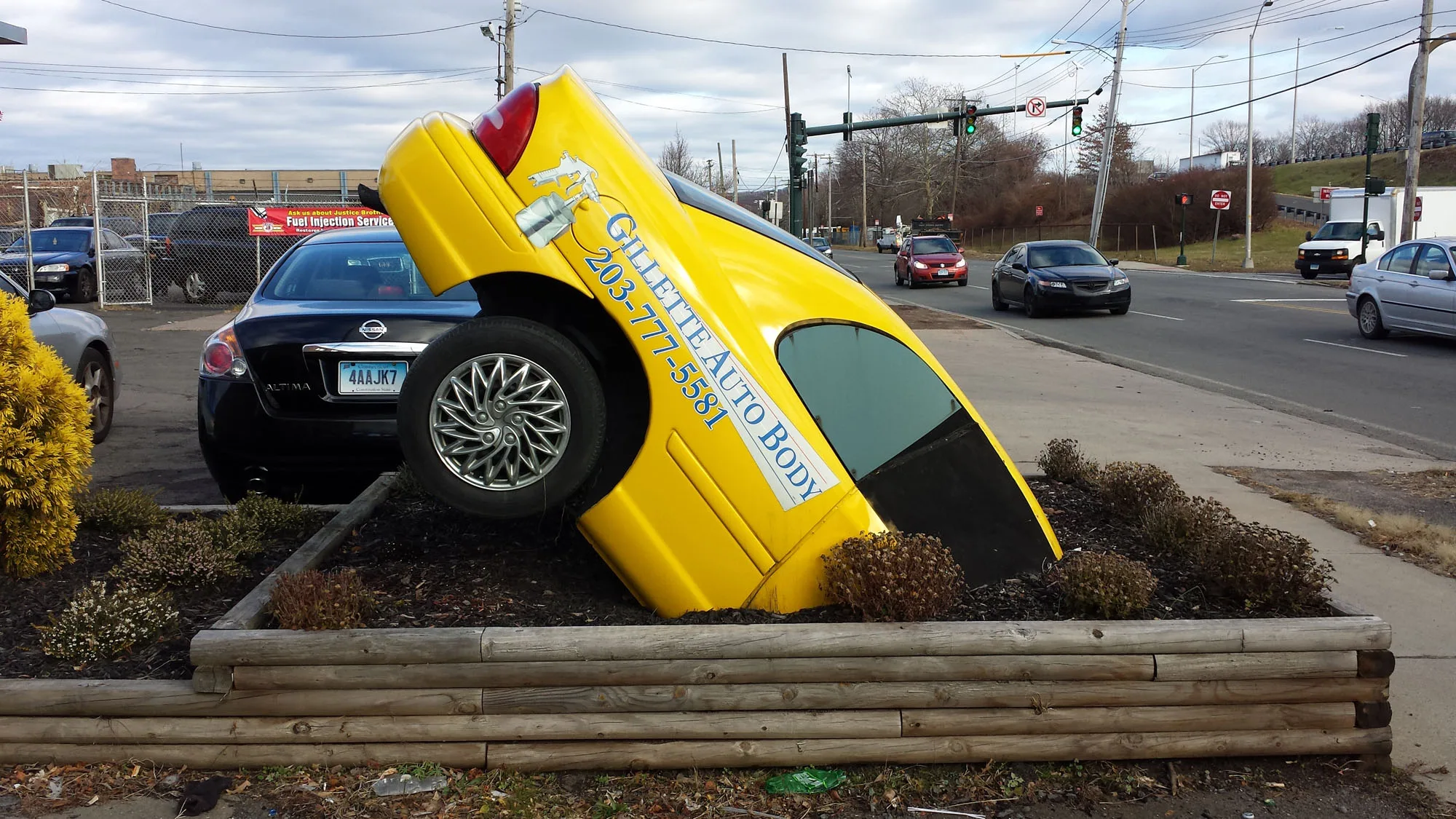
Choosing a collision repair center after an accident is less about finding a familiar name and more about matching a shop’s documented capabilities to the damage, paperwork, and transportation needs in front of you. Gillette Auto Body Co. Inc. is located at 4 Middletown Ave, New Haven, CT 06513. Its official website says the family-owned business has operated in New Haven since 1957 and is accessible from New Haven, East Haven, and North Haven, as well as from I-95 and I-91. Those details help establish a starting point, but the repair conversation still needs to be specific to the vehicle.
What the Middletown Avenue location means for planning
Gillette’s website places the shop opposite exit 7 on southbound I-91 and describes access from surrounding communities. A driver deciding whether to request an estimate can use that information to think through a practical drop-off: the vehicle’s condition, the route, whether someone can follow the driver, and whether a rental vehicle or other transportation is needed. The location does not establish appointment availability or repair timing, so those points should be confirmed directly before making arrangements.
The public record identifies collision repair and rental car assistance as service signals for this Collision Repair Center. Rental assistance can mean different things from one claim or shop to another. Ask whether Gillette coordinates a rental, works with a particular provider, or simply helps customers understand the process. The answer may depend on the insurer, policy, vehicle condition, and repair authorization.
Connect Gillette’s credentials to the repair scope
Gillette’s official site describes the shop as licensed and fully equipped, and says its staff is trained and ASE / I-CAR Certified. Treat those statements as useful information to discuss rather than as a blanket promise about every repair. Ask which technicians, procedures, or systems relate to the specific vehicle. Modern collision work can involve body alignment, refinishing, sensors, structural components, and post-repair checks. A written estimate should make the proposed scope easier to understand.
Drivers should also ask how hidden damage is handled if disassembly reveals more than the initial inspection showed. Confirm who communicates supplements to the insurer, when customer authorization is needed, and whether parts choices or calibration work could change the estimate. These questions help distinguish the first visible assessment from the final repair plan without assuming a price or completion date that has not been quoted.
Ask how paint and safety checks affect release
Collision repair is not finished simply because a dent is less visible. Paint preparation, color matching, blending, panel alignment, and reassembly can all affect the finished appearance. Before authorizing work, ask what the estimate includes for adjacent-panel blending and what refinish warranty, if any, applies. Warranty terms should come from Gillette or the insurer in writing rather than from a general assumption about industry practice.
The official website also states that each repaired vehicle is safety-road tested by management personnel before release. That is a concrete part of the shop’s published process, and it is reasonable to ask what the road test covers for the vehicle being repaired. If the collision involved warning lights, steering, suspension, cameras, or other safety-related systems, ask how those items are inspected and documented. The road-test statement should support a conversation about the actual repair scope, not replace one.
Use the first call to clarify insurance and communication
Gillette’s site says estimates are always free and presents insurance-backed collision repair as a service signal in the local record. Before relying on either point for a particular claim, confirm the current estimate process, whether an appointment is required, what information to bring, and how insurer approvals are handled. Have the claim number, adjuster information, photos, and vehicle identification details available if they apply to the situation.
For scheduling and current service questions, the listed phone number is +1 203-777-5581. Official contact information found in search results lists weekday hours of Monday through Friday, 7:30 a.m. to 4:30 p.m.; drivers should verify those hours before traveling. Ask how progress updates are provided and whether status can be checked through the Carwise link referenced on the official site. Clear communication matters when a supplement, parts delay, rental limit, or release document changes the original plan.
Compare the written plan before authorizing work
Gillette Auto Body’s New Haven address, long operating history, published training credentials, free-estimate statement, rental-assistance signal, and safety-road-test statement provide useful starting evidence. They do not answer every question about a particular crash. Compare the written scope, parts and paint assumptions, authorization process, communication plan, and applicable warranty with the needs of the vehicle. Calling +1 203-777-5581 or visiting the official website at https://thegilletteautobody.com/ can help confirm current details before the car is dropped off.