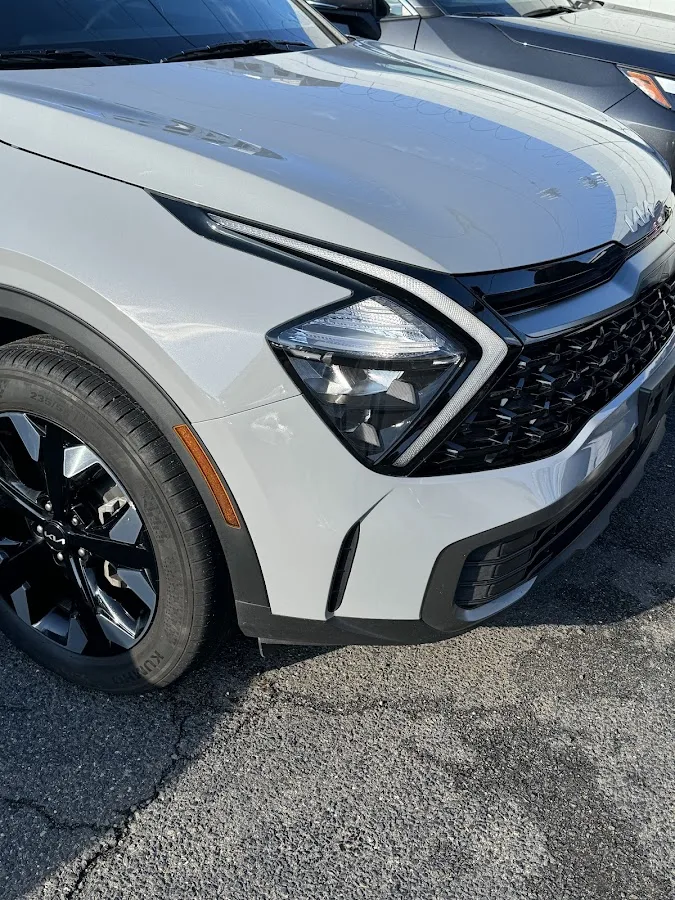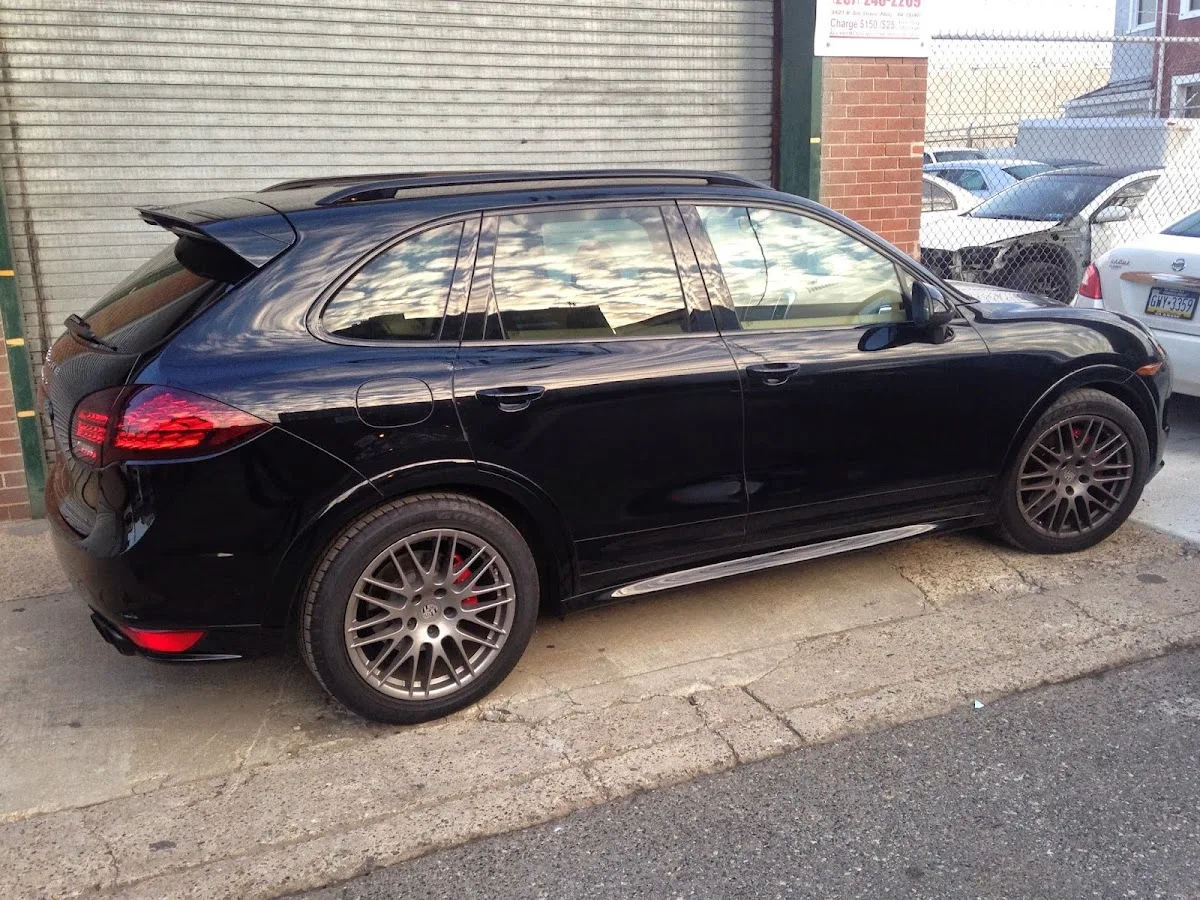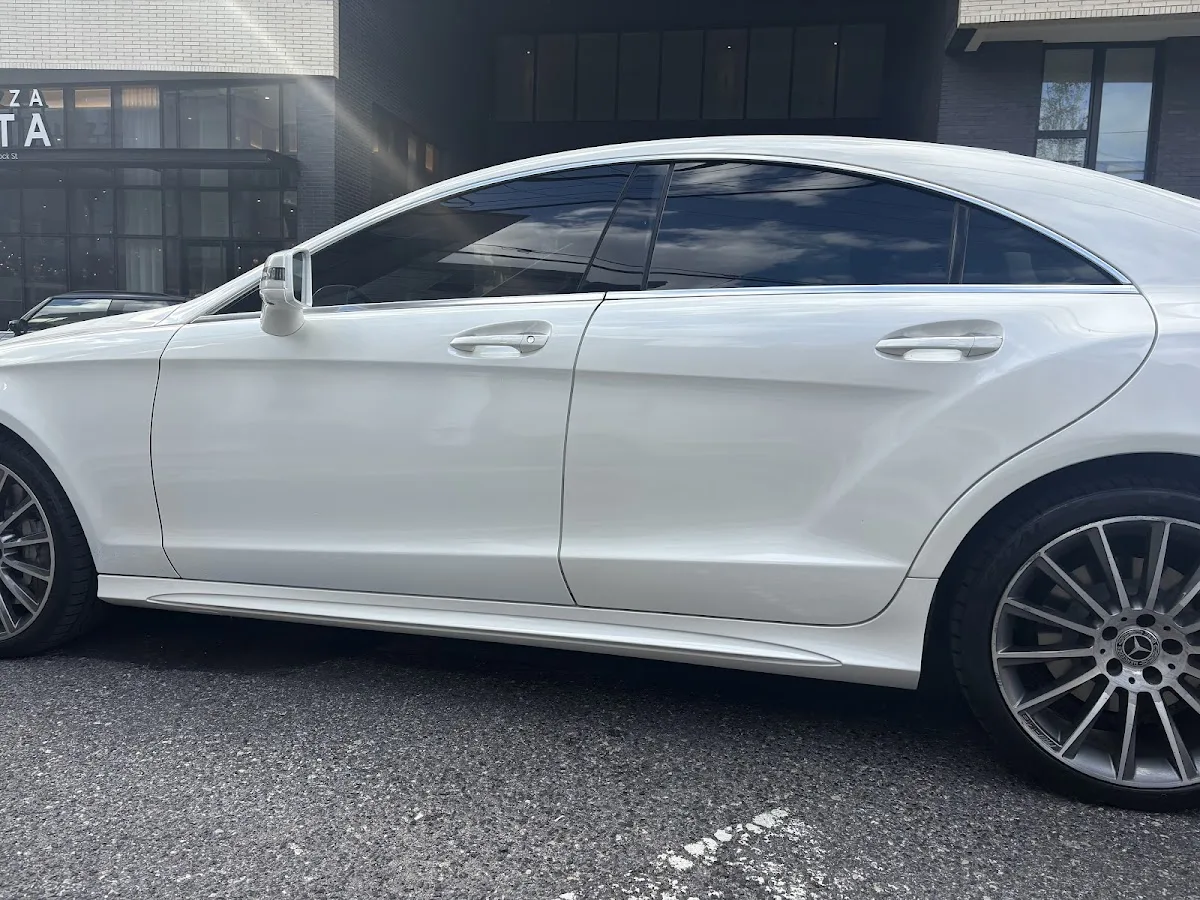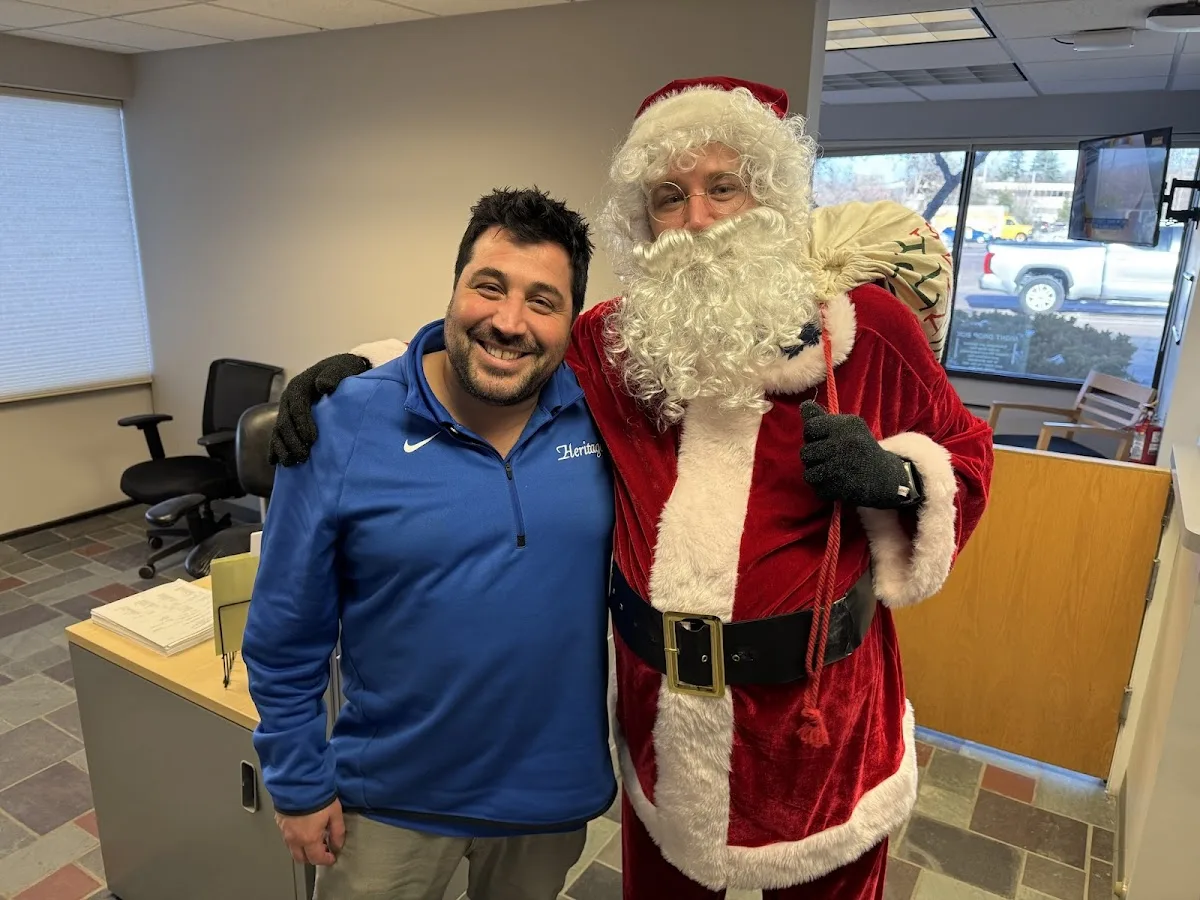
After a collision, the hardest decision is often not choosing a repairer by a single price; it is understanding what each proposed repair actually covers. Heritage Collision Center is identified in its local listing as a Collision Repair Center, and collision repair is recorded as a service signal. That makes it a relevant place to ask about a repair, but the listing does not determine what a particular vehicle needs. A vehicle-specific written estimate is the useful starting point for comparing plans and deciding what to authorize.
Use the South Burlington contact details to establish fit
The local listing gives Heritage Collision Center’s address as 40 Green Mountain Dr, South Burlington, VT 05403, and its phone number as +1 802-865-8170. Call before traveling to ask whether the center can discuss the type of damage involved and what information would help with that conversation. Have the vehicle’s year, make, and model ready, along with a concise description of the impact and the areas that appear damaged. If the vehicle may be unsafe to drive, arrange safe transportation rather than assuming it can be driven to the address.
Photos can help you describe visible damage, but they do not show every condition that an inspection might reveal. Note warning lights, unusual noises, or changes in how the vehicle moves, and explain when those began. This gives the person assessing the vehicle more context without treating a photograph or a phone description as a diagnosis.
Compare estimates by included operations, not just totals
When reviewing estimates, look for the work proposed for each damaged area. Check whether parts are listed for repair or replacement, whether related labor is described, and whether paint or refinishing appears where relevant. The purpose is not to assume that every estimate should use identical wording or methods, but to identify meaningful differences. A lower total may reflect a narrower scope, while two different totals may also reflect different assumptions about what the damage requires.
Ask for unfamiliar terms to be explained and for unclear work to be identified in writing. If inspection or disassembly later reveals additional damage, clarify how the proposed change will be documented, how any revised amount will be communicated, and what approval is needed before the added work proceeds. Keep the original estimate and written revisions together. That record makes it easier to see what changed and to compare the updated plan with the decision you first considered.
Resolve parts, related systems, and insurance questions
If an estimate names a parts option, ask what is proposed for your vehicle and whether that choice changes the work or cost described. Where a sensor, camera, or other electronic feature is near the damaged area, ask whether the vehicle’s repair plan calls for a check or calibration and whether that work appears in the estimate. The relevance depends on the vehicle and the damage, so look for a vehicle-specific explanation rather than assuming every collision requires the same procedure.
If an insurer is involved, keep the claim information and the repair estimate available when discussing the plan. Ask how the estimate relates to the insurer’s paperwork, what happens if the inspection identifies additional damage, and who must approve a change. Insurance coordination is not established by the local listing, so clarify the roles and next steps for your claim instead of assuming the repairer or insurer will handle a particular task. Written answers can help prevent confusion about which version of the plan is being discussed.
Make timing and pickup part of the written plan
Ask for the current timing estimate and how you will be notified if it changes. The schedule may depend on the inspection findings, the work approved, and circumstances specific to the repair; a general listing cannot set a completion date. If you will need transportation while the vehicle is being repaired, ask what options are available and whether they involve separate providers or costs. Do not treat rental assistance or a particular delivery date as included unless it has been confirmed for your situation.
Before authorizing work, make sure you know how approval will be recorded and whom to contact with questions about a proposed change. Save the estimate, authorization, and updates. At pickup, ask what paperwork, payment details, or repair records apply to your job. These points are worth settling in advance because they affect your budget, transportation, and ability to understand the completed work.
For drivers considering Heritage Collision Center, the local listing provides a concrete starting point: a collision-repair classification, a South Burlington address at 40 Green Mountain Dr, and the phone number +1 802-865-8170. Use the call to establish whether the center is an appropriate fit for the vehicle and to learn what information is needed next. Then compare the written scope, costs, approvals, and timing for your specific repair before deciding how to proceed.