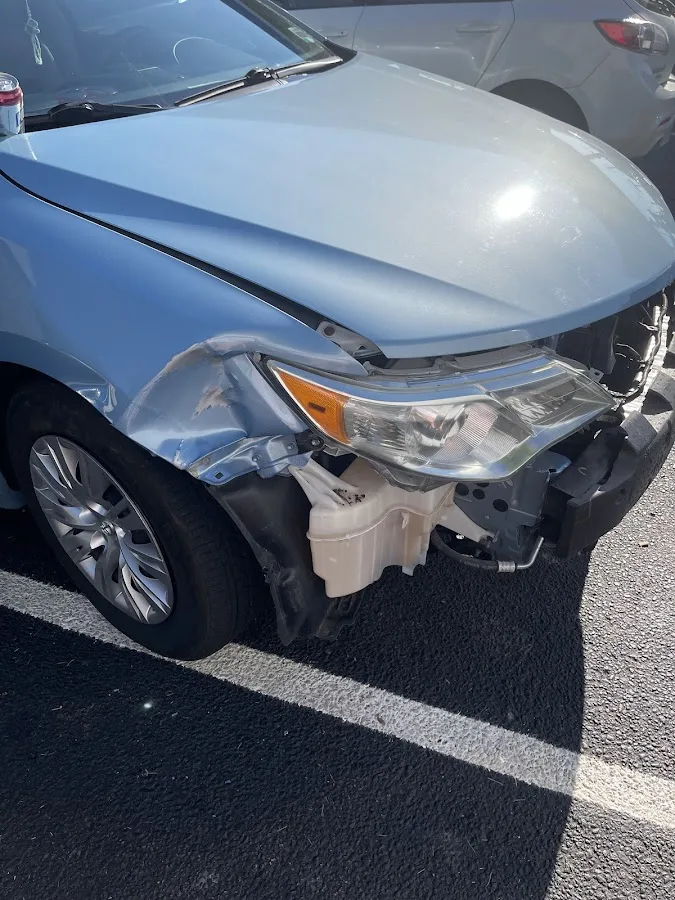
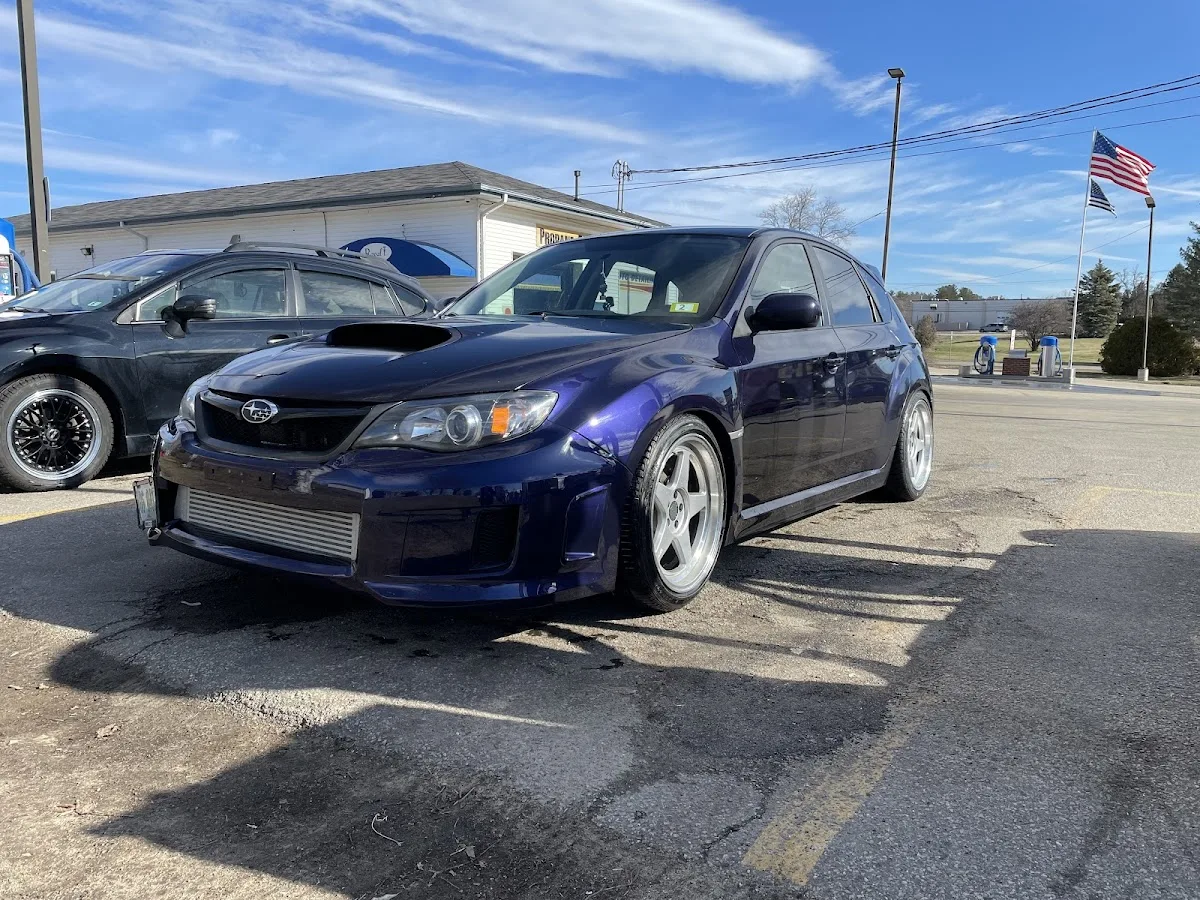
Picking up a repaired car is more useful when you treat it as a handoff, not just a key exchange. Set aside enough time to look over the vehicle in good light, check ordinary functions that are safe to test, and review the paperwork before leaving. The goal is to identify what you can observe and describe it clearly.
Make the handoff a real inspection
Before pickup, allow a few unhurried minutes for a walk-around. If the car is indoors or the light is poor, ask whether it can be viewed in a brighter area. Daylight or even, bright lighting makes subtle changes in color and surface appearance easier to notice; shadows and reflections can disguise them. Walk around both sides rather than inspecting only the panel you remember as damaged. This gives you a consistent view of how repaired areas sit alongside the rest of the vehicle.
It can help to bring the estimate or repair documents you already have, so you can connect the work described there with the areas you are viewing.
Look at repaired areas and neighboring parts
View a repaired panel straight on and from an angle. Look for conspicuous differences in finish, such as an obvious color mismatch, an uneven-looking surface, or marks that stand out in the available light. Reflections can make paint look different from one position to another, so change your viewpoint before deciding that a variation is persistent. Focus on describing a visible difference rather than identifying its technical cause.
Check how adjoining panels meet and whether visible gaps look noticeably uneven compared with the other side of the car. Look at nearby trim, lights, and glass for a loose-looking piece, a new mark, or something that appears out of place.
For local listing information, see Jeff's Body Shop.
Check everyday functions safely
While the car is parked, check relevant features that you can operate safely and comfortably. Depending on what was near the repair area, that may include opening and closing doors, raising a window, switching on lights, or adjusting mirrors. Keep the check practical: confirm that a control responds and that a nearby part does not appear loose or obstructed. Avoid reaching into unfamiliar mechanisms or testing a feature in a way that could create a hazard.
If there is no reason to think the vehicle is unsafe, you may notice how it behaves during a brief, familiar drive. Pay attention to an unusual sound or behavior, but do not try to reproduce a problem by driving aggressively or entering an unsafe situation. If a warning appears, the car behaves unexpectedly, or you have any safety concern, stop the check and contact the shop for guidance rather than driving on to investigate.
Close out the work and record concerns
Review the final invoice or repair paperwork before you leave. Check that the work described is understandable, note the amount due and any payment details, and collect documents you are expected to keep. If a term or line item is unclear, ask what it refers to. Keep the estimate, final paperwork, and any written explanation together so you can refer to the same information later. Do not assume that a visual inspection replaces the documents or that paperwork alone answers a question about something you can see or feel.
When you notice a concern, describe its location and what happened in plain terms: for example, “the trim at the rear edge of this panel looks raised,” rather than guessing why it is raised. A photo can help record the appearance, especially if lighting or the vehicle's position may change, but it does not replace showing the issue directly. Ask the shop to inspect the specific item before deciding whether further work is needed. If it cannot be addressed during pickup, make a note of whom you spoke with and what next step was agreed. That gives both sides a clear starting point for follow-up.