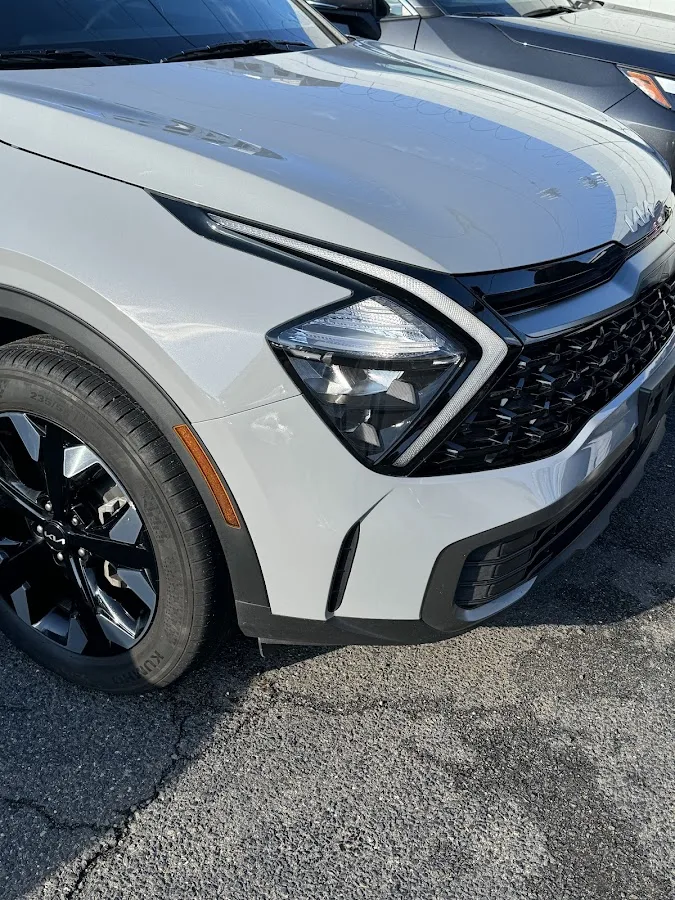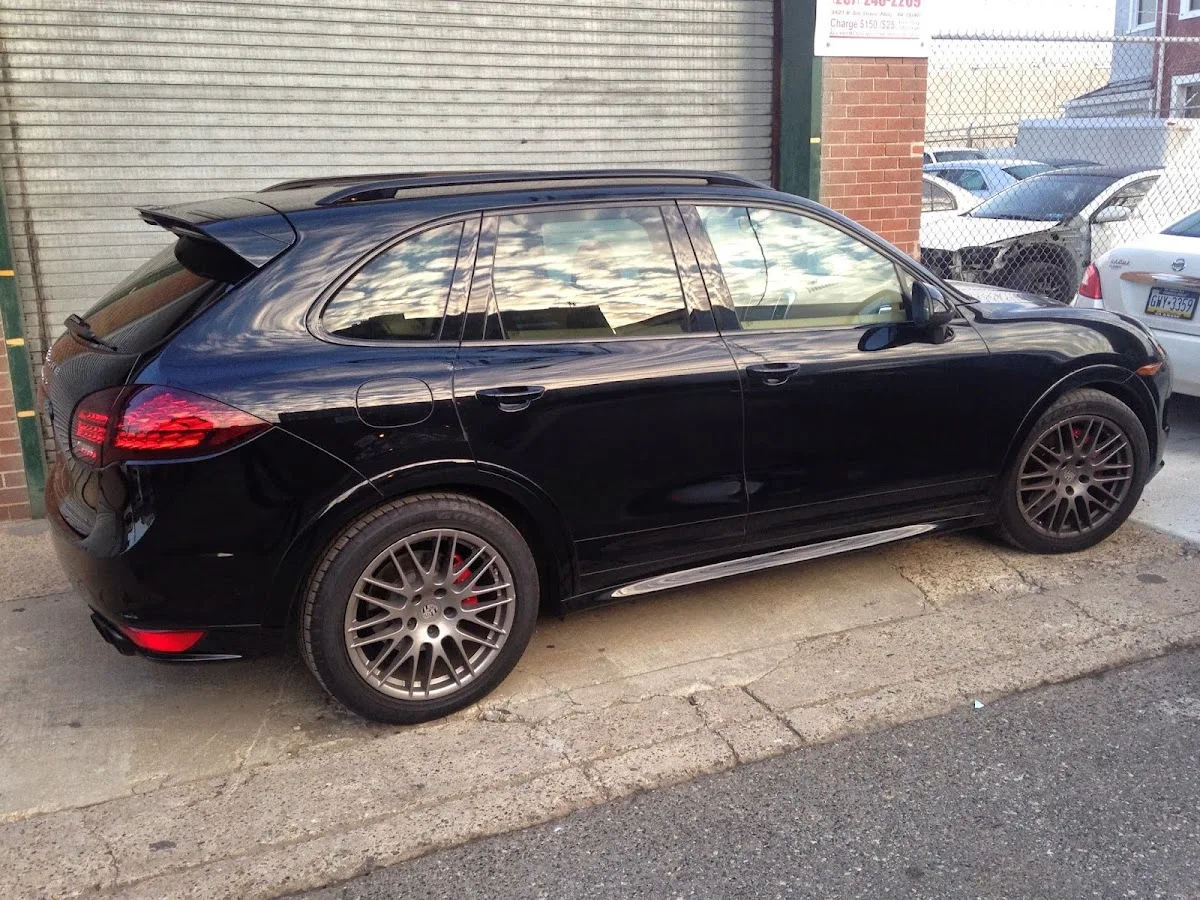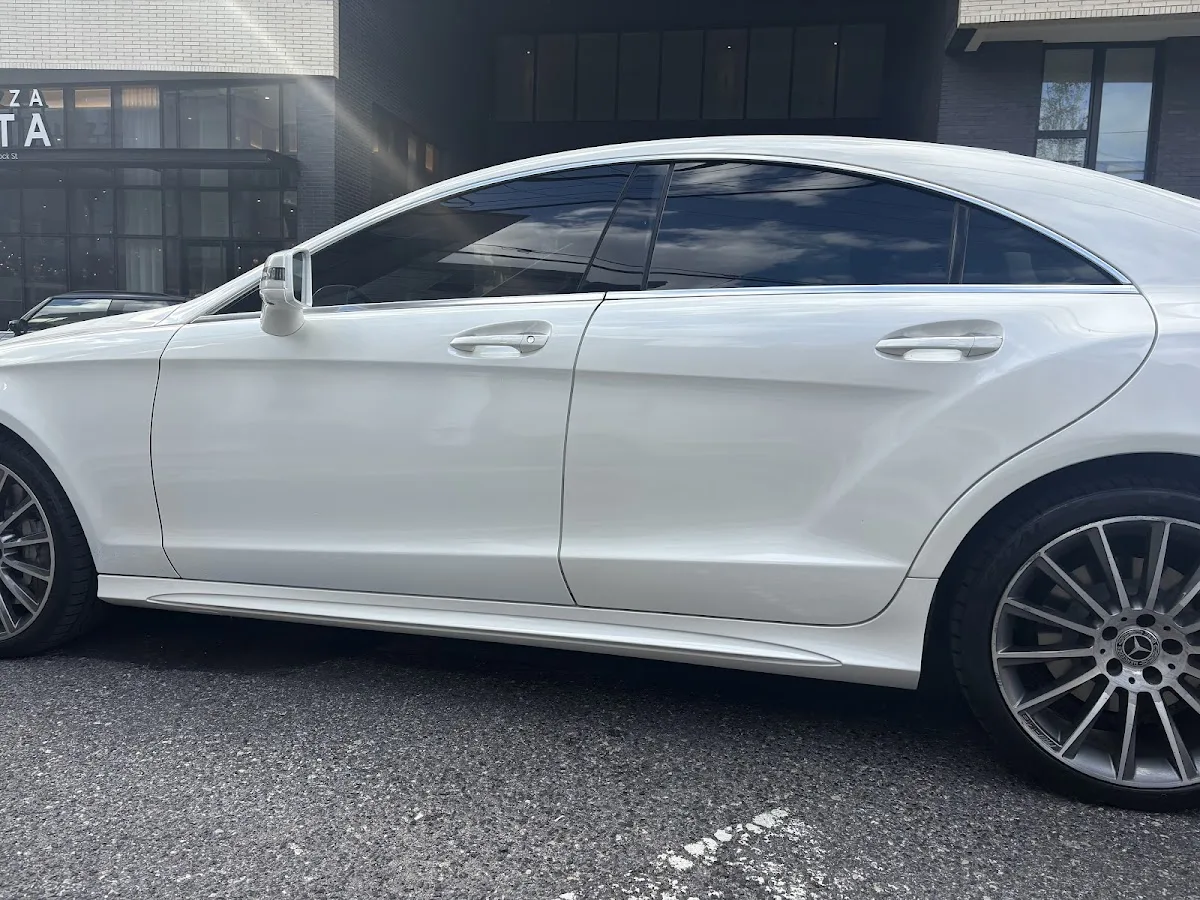
A collision estimate can name the damaged part without explaining how the repaired area will look beside the rest of the vehicle. That distinction matters when paint work is involved: the repair plan should make clear what is being repaired, what will be refinished, and how the shop intends to address the visible transition. K & A Auto Body Shop’s official website lists both collision repair and paint matching, making the relationship between repair scope and finish a useful point for Philadelphia drivers to clarify before authorizing work.
Start with the listed collision and paint services
K & A Auto Body Shop is listed at 429 S 61st St, Philadelphia, PA 19143, United States. Its website presents “Collision Repair Services” and “Auto Body & Refinishing Services,” and its published service cues include paint matching. Those descriptions identify relevant areas to discuss, but they do not specify the procedure, which panels may be included in a particular repair, or what finish result is promised for an individual vehicle. The estimate and direct conversation are where a driver should establish those details.
When contacting the shop, describe the impact location and any visible damage, then ask whether the proposed work is within the collision-repair scope shown on the website. A useful first question is: “Which damaged components are included, and which painted surfaces are part of the refinishing plan?” That wording invites a specific answer without assuming that every collision requires the same operations.
Make the paint-match plan visible on the estimate
“Paint matching” can be an important service signal, but the phrase alone does not define the work on a specific car. Ask the estimator to identify the panel or panels to be refinished and explain how the proposed color match will be assessed. If a nearby panel may be affected by the visual transition, ask whether it is included in the scope or whether it is being left out—and why. The point is not to prescribe a repair method; it is to make sure the written plan explains what the quoted work covers.
Drivers can also ask how the shop will review the finished color under ordinary viewing conditions and how concerns should be raised at pickup. These are questions for a project-specific answer, not assumptions about a universal process. A clearly described scope makes it easier to compare estimates: one total may cover a different set of operations than another, even when both refer to the same damaged area.
Separate the damage description from the repair decision
Before discussing a repair, note where the vehicle was struck, what appears bent, cracked, or scraped, and whether warning lights or other changes appeared afterward. Photos can help explain visible damage, but they do not establish the full repair scope. Ask the shop what it can determine from an initial review and whether any part of the estimate may need to be revisited after closer inspection. K & A’s website says it provides an estimate before beginning services; drivers should confirm how that applies to collision work and what authorization is needed before work starts.
If another party or an insurer is involved, keep the estimate, claim information, and any written scope together. Ask who should receive updated repair information and what happens if the documented damage or proposed operations change. The public information available here does not set out a specific insurance-coordination policy, so those arrangements should be confirmed directly rather than presumed from the shop’s collision-repair listing.
Use a written scope to compare more than the bottom line
A practical comparison can focus on four points: the parts or panels named, the repair operations included, the paint and refinishing work described, and any items that remain undecided. Ask whether parts choices or additional findings could affect the estimate, and how a change would be explained and approved. If a finish warranty or other guarantee is discussed, request its actual written terms, including what it covers and any exclusions. The website mentions a guarantee on work but does not provide detailed terms in the available information; the exact coverage should be verified before relying on it.
This approach keeps the comparison grounded in the actual proposal rather than a broad service label. It also gives the driver a record to revisit if the repair plan changes or if a question arises at delivery.
Confirm the next step with K & A
K & A Auto Body Shop’s website offers an appointment request and lists its Philadelphia location at 429 S 61st Street. For a collision or paint-matching inquiry, call +1 215-476-9299 or use the official site at https://www.kandaautobodyshop.com/ to confirm current appointment needs, the estimate process, and whether the specific vehicle and damage fit the requested service. Before dropping off a vehicle, clarify the expected authorization, how updates will be communicated, and what documents or belongings should be handled in advance.
The most useful decision is not whether “paint matching” sounds reassuring on its own. It is whether the written repair plan identifies the damaged areas, explains the refinishing scope, and gives the driver a clear way to approve any changes. Starting that conversation with K & A’s documented collision and paint services—and confirming the details for the individual vehicle—makes the next step more informed.