Choosing an auto body shop is not just a matter of comparing totals. A useful decision starts with understanding what each proposed amount covers, what is still uncertain, and what you would be agreeing to if you authorize work. KEY COLLISION OF MANCHESTER is listed as an Auto Body Shop at 71 Sinclair Ave, Manchester, NH 03104. The listing identifies a Manchester location and category; it does not establish which specific repairs the business handles or what terms it offers. Use those details to direct an inquiry, then assess the information provided for your vehicle.
Decide whether the Manchester location fits your situation
Consider the listed address in relation to where you are coming from and whether you might need to return during the process. KEY COLLISION OF MANCHESTER is at 71 Sinclair Ave in Manchester, New Hampshire. If the vehicle cannot be driven, or if you have a particular drop-off concern, explain that when you call and ask what arrangements are possible. Do not plan around towing, after-hours access, alternate transportation, or a specific intake process unless those details have been confirmed.
The listing provides the phone number +1 603-624-7799. A focused first call can help establish whether the business can consider your particular request and what information it needs next. Before comparing costs, it is reasonable to find out whether the location and proposed assessment process work for you. That avoids spending time evaluating a proposal that does not fit your practical needs.
Give a clear account of the damage before judging the scope
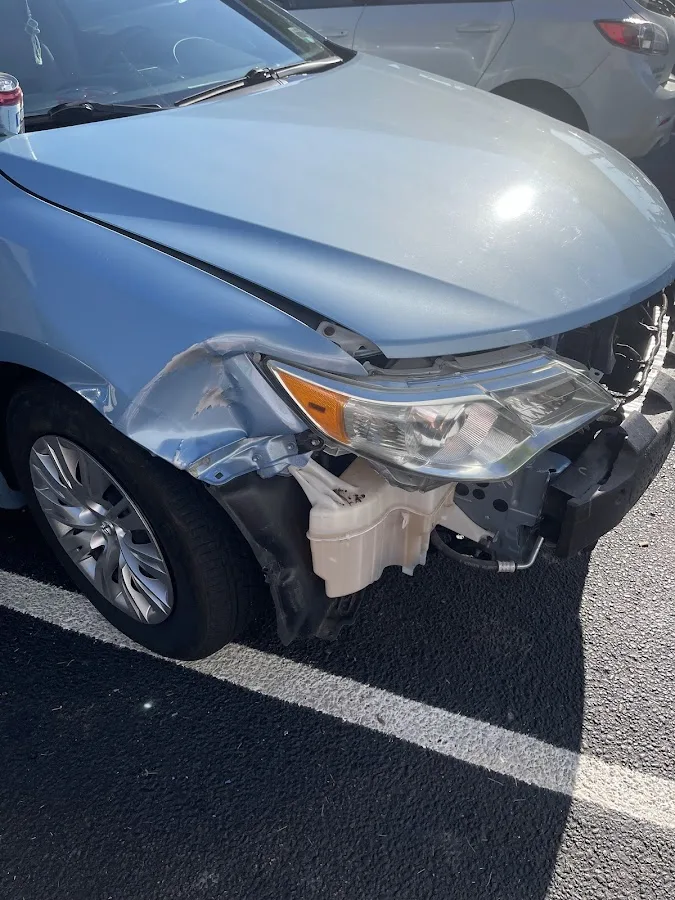
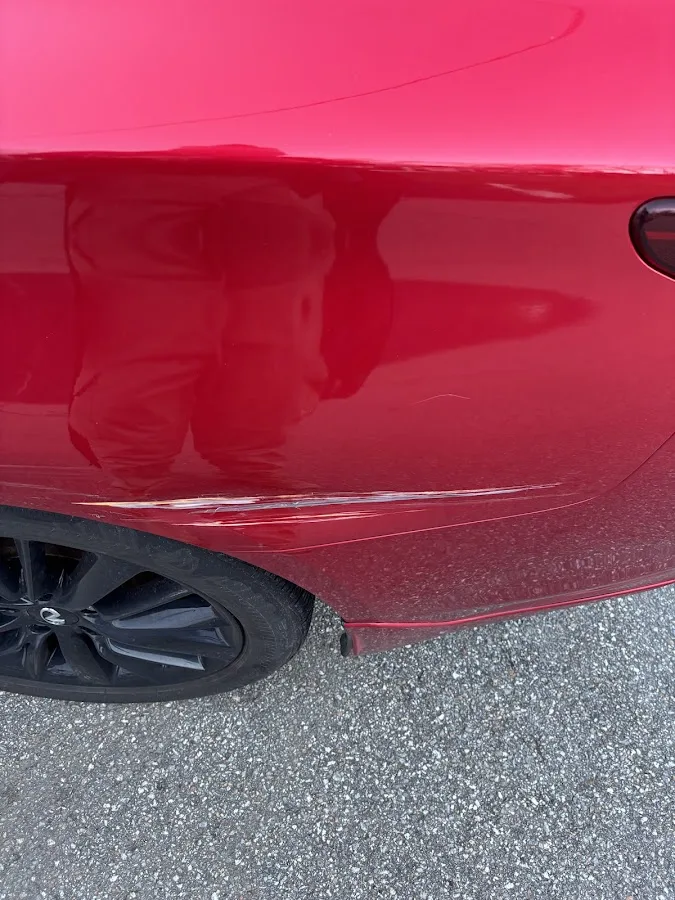
Prepare a concise description of the vehicle, where the damage is, and what happened. Include the year, make, and model if you know them, and mention any warning lights or changes in how the vehicle operates. Describe what you have observed rather than presenting a guess about hidden damage as a confirmed diagnosis. Visible damage may not tell the whole story, so an initial discussion should not be treated as a final scope or price unless the business explains that it is.
Ask what information is needed to assess the request and whether the vehicle must be inspected before a written estimate can be prepared. If you receive an early figure, clarify what it covers, what assumptions it relies on, and whether it may change after inspection. These distinctions help you understand whether you are comparing a defined proposal or only an initial indication.
Read the written estimate as a description of work
Start with the listed operations and parts, not just the total. Check whether the document describes the work and refinishing items relevant to the proposed scope. Look for entries marked preliminary, conditional, or subject to inspection. If an item that matters to you is unclear or not listed, ask whether it is included, excluded, or still undetermined. An estimate is easier to evaluate when you can connect its amount to the work it describes.
Ask how the shop would communicate a proposed change if additional damage or other information affects the scope. Before authorizing work, understand how a revised estimate would be presented and how your approval would be recorded. If an insurer is involved, clarify who is expected to communicate about estimate changes and which decisions still need your authorization. The answers should relate to your specific repair and the people involved, rather than assumptions about a standard process.
Compare estimates by scope and unresolved items
Two estimates with different totals may describe different work. Compare the operations and parts each document specifies, the items left open, and any assumptions that could affect the final scope. An omitted line is not proof that the work is included; ask for an explanation. Likewise, a higher total alone does not show whether the proposal includes a broader scope, different parts, or another factor.
Ask for plain-language explanations of unfamiliar terms. Then note where the proposals match, where they differ, and what remains unanswered. If one estimate is less detailed, request enough clarification to make a fair comparison. Similar totals do not guarantee identical work, parts, timing, or warranty coverage, so get the applicable terms in writing when they matter to your choice.
Keep the approval tied to the current proposal
Before authorizing work, identify the estimate or scope you are approving and how any additions would be submitted for approval. Keep a copy of the proposal, revisions, and written authorization. If the scope changes, retain the updated document and the communication explaining what changed. This gives you a clear record of which version you accepted and helps prevent confusion between the original estimate and a later proposal.
If warranty coverage, payment timing, completion expectations, or parts choice will affect your decision, ask for the specific terms before committing. Do not assume those details from the Auto Body Shop category or from an estimate that does not address them. The useful comparison is between the actual written scope and terms available for your vehicle, alongside the location and arrangements that work for you.
For an inquiry, call KEY COLLISION OF MANCHESTER at +1 603-624-7799 and describe your vehicle and concern. The listed address, 71 Sinclair Ave, Manchester, NH 03104, helps identify the location. Whether it suits your needs depends on the response to your request and the scope, approval process, and terms you receive—not on the listing category alone.