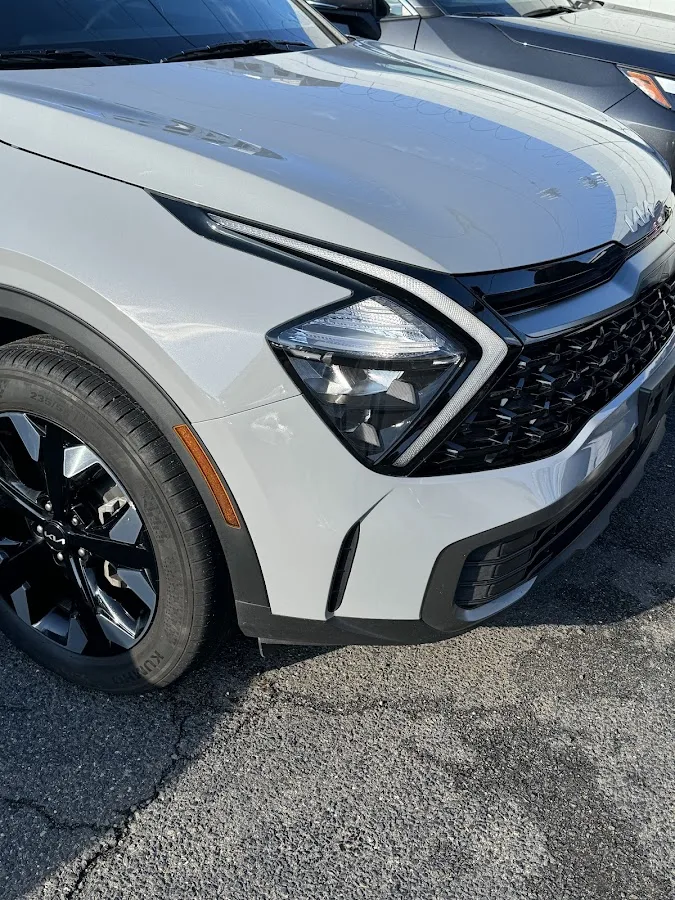
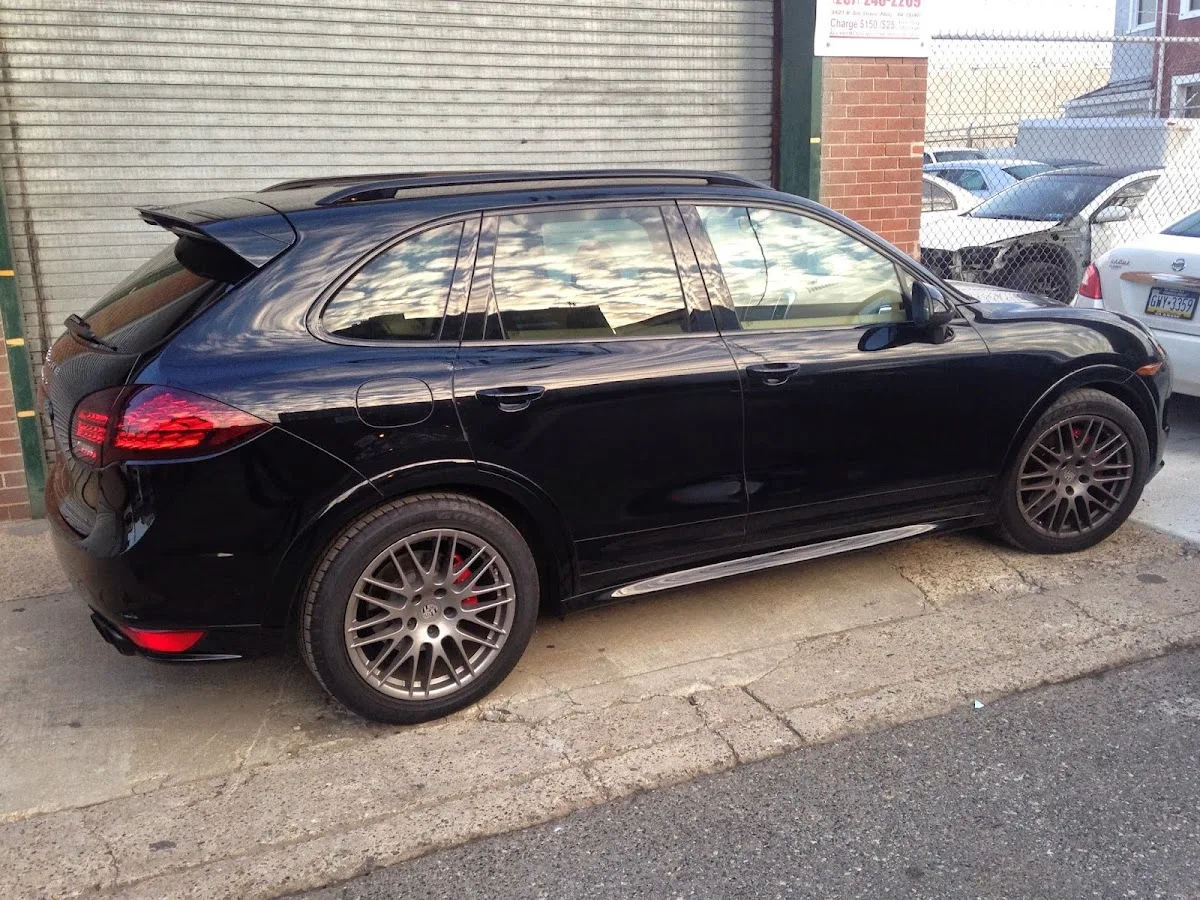
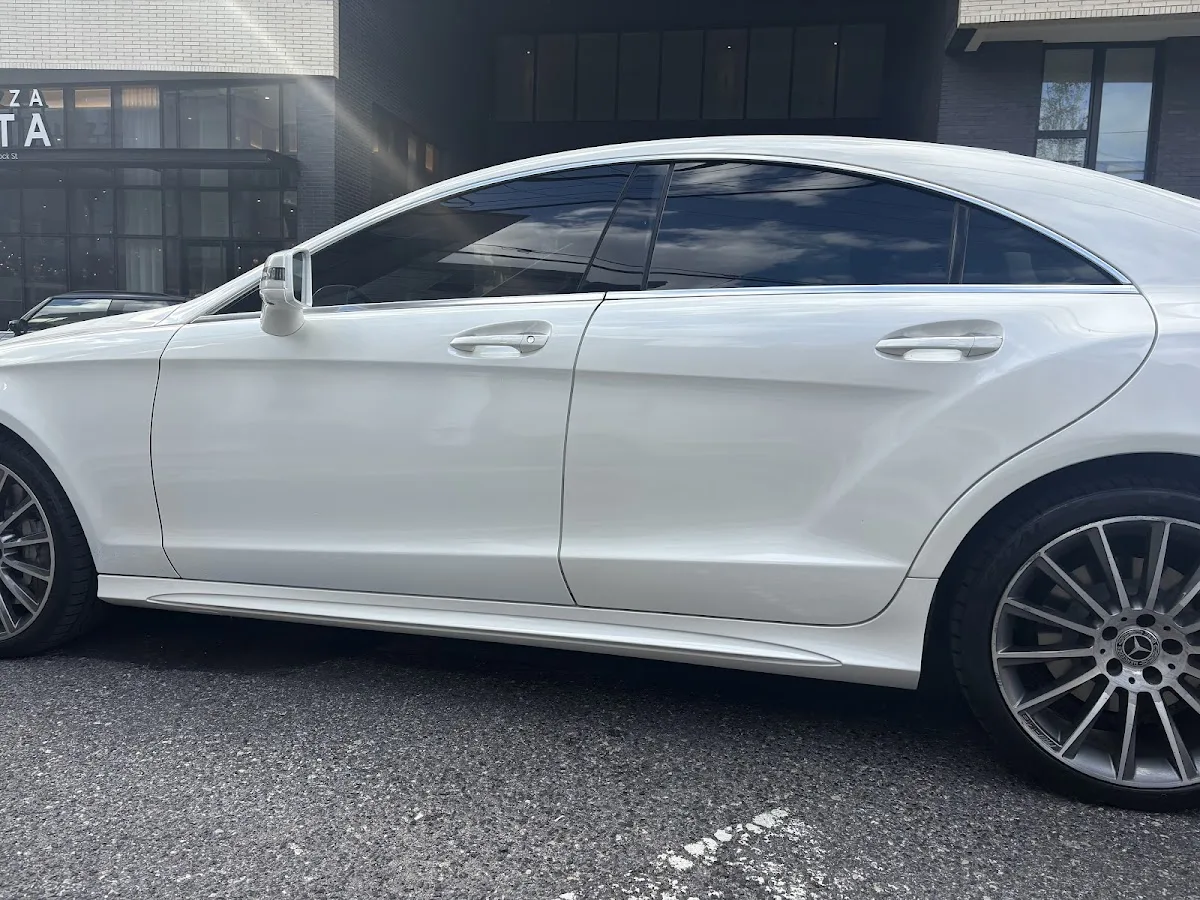
When you authorize a collision repair estimate, you’re not just signing off on an initial number—you’re aligning two things that affect outcome after teardown: the repair scope and the paint/final-finish plan the shop will follow. When scope and finish planning drift apart from paperwork to the shop floor, it can create delays, confusion about supplements, or a repaired appearance that doesn’t visually blend across panels.
This guide is tailored to drivers considering repairs through Miranda Auto Body in Springfield, MA. Use it to pressure-test the approval details so your plan—and any later updates—are handled clearly by the same shop tied to your repair record.
Confirm you’re approving the right shop and the right record
Start by confirming the shop you’re authorizing, and make sure your estimate discussions match that same repair record:
- Miranda Auto Body
- 289 Mill St, Springfield, MA 01108
- +1 413-736-2288
- http://www.mirandaautobody.com/
Why this matters: the expectations you discuss—especially around supplement authorization and repair timing—are only reliable when they’re linked to the shop actually handling your vehicle.
Approve the teardown scope with clear “what changes” language
Collision damage can look straightforward in photos but shift once the vehicle is disassembled. A useful approval conversation should move beyond the initial estimate and focus on how Miranda Auto Body will document what they find after teardown.
When the updated scope is presented, you should be able to see a direct connection to the original plan: what components are repaired versus replaced, and which items need your approval once the shop can verify measurable damage.
Read the updated paperwork for decision-ready details
Don’t just skim the updated scope—look for clarity. The documentation should describe which panels, brackets, or structural components will be repaired or replaced, and explain how those decisions tie back to damage revealed during inspection.
If some items can’t be confirmed before disassembly, ask what can be verified now versus what must wait until the vehicle is physically examined. The goal is to keep approvals tied to evidence, not assumptions.
Clarify supplements before any extra work begins
Supplements are common in collision repair, but they become stressful when the approval process isn’t explained before work starts. Ask Miranda Auto Body to walk you through how supplemental work is requested and how you’ll be notified if additional labor or parts are needed.
As you discuss next steps, pay attention to whether supplemental changes require a new written authorization and how the shop communicates impacts to timing. A process that’s clear upfront makes it easier to stay in control of what happens next—whether the supplement is routine or more significant.
Approve the paint plan for blending across adjacent panels
Paint approval isn’t only about getting the color “close.” It’s about achieving a finish that visually blends across the repaired area and the adjacent panels. As you review the paint plan, ask how Miranda Auto Body approaches matching the vehicle’s base coat and finish and how they handle edge blending where panels meet.
If your vehicle includes multiple paint components or distinctive finishes, ask what extra steps are taken to reduce the risk of a visible boundary under normal lighting.
Ask paint questions that focus on visible outcomes
To reduce surprises, keep your questions tied to what you’ll see after completion. For example:
- How will the blend area be matched to the surrounding panels under typical lighting conditions?
- What information will be used to determine the correct color/finish for your specific vehicle?
These questions help you assess whether the paint approach is aimed at a uniform appearance—not just an acceptable color under limited conditions.
Align what you’ll receive in paperwork with what gets approved
Miranda Auto Body is categorized as an Auto Body Shop. Before signing anything, confirm what documentation you’ll receive and how updates will be recorded throughout the repair. Make sure you understand how estimate/authorization materials will be provided, and how supplemental changes will be documented if new approvals are required.
When your approvals stay focused on the post-teardown scope, the supplement process, and the paint/blending outcomes you want, you can compare collision repair options with less uncertainty and more control over what gets done to your vehicle.