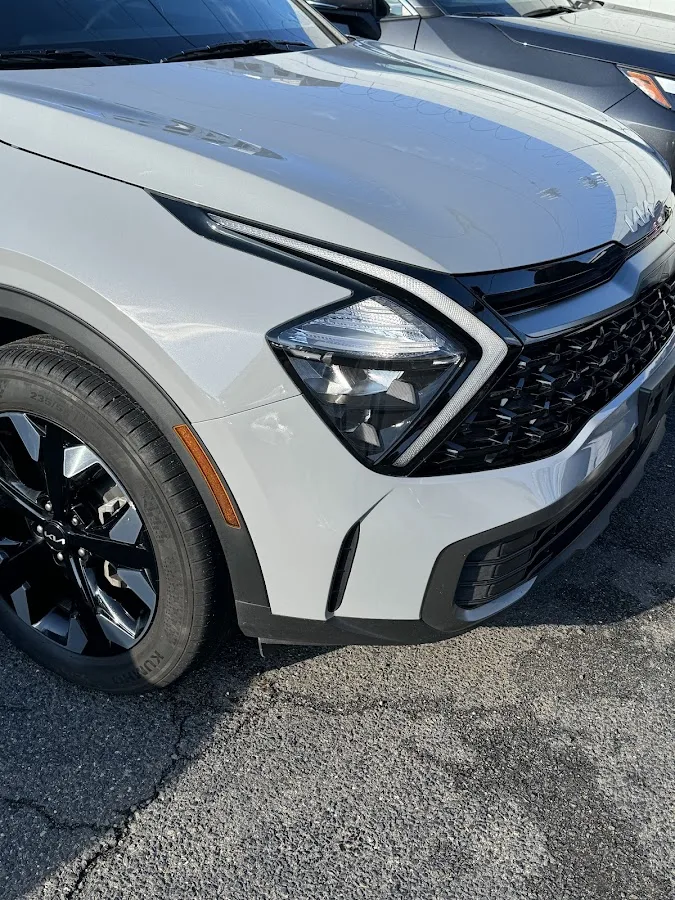
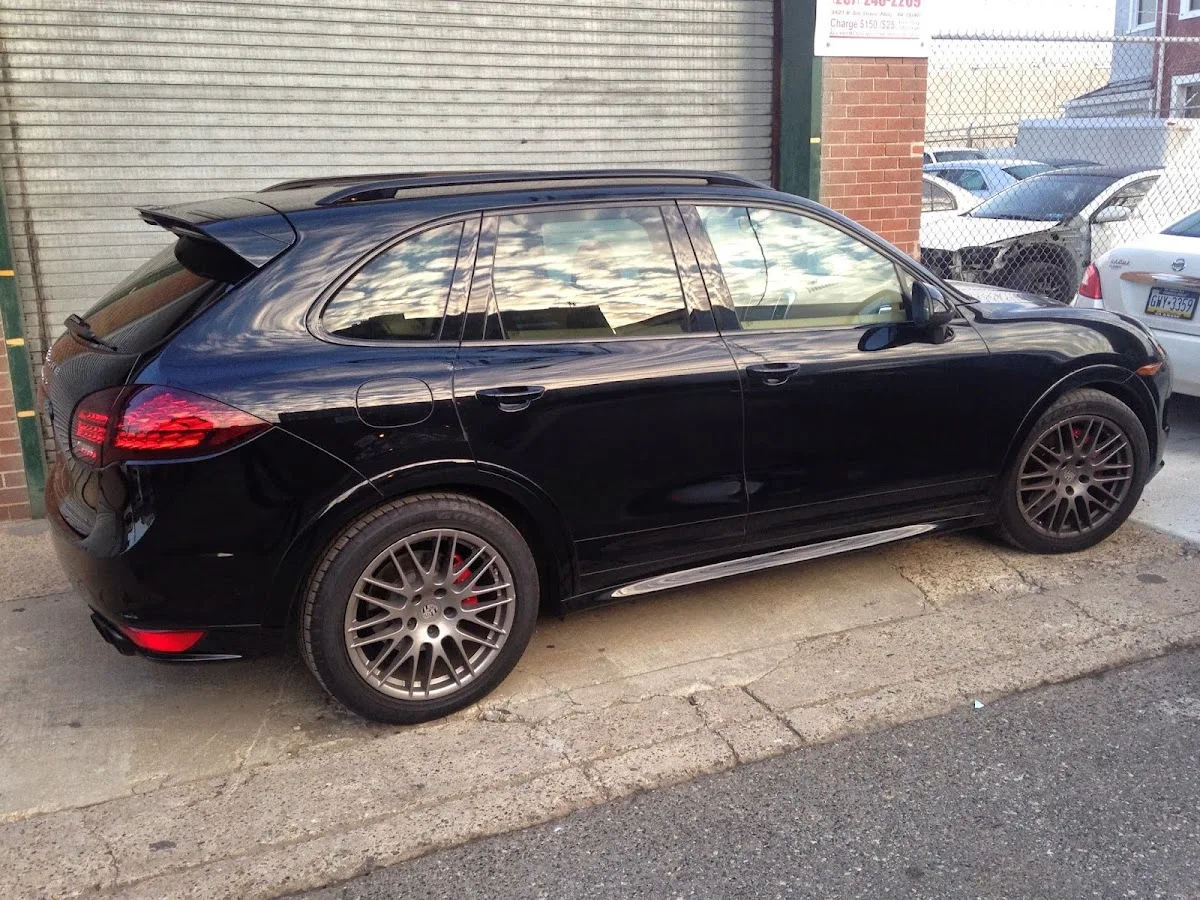
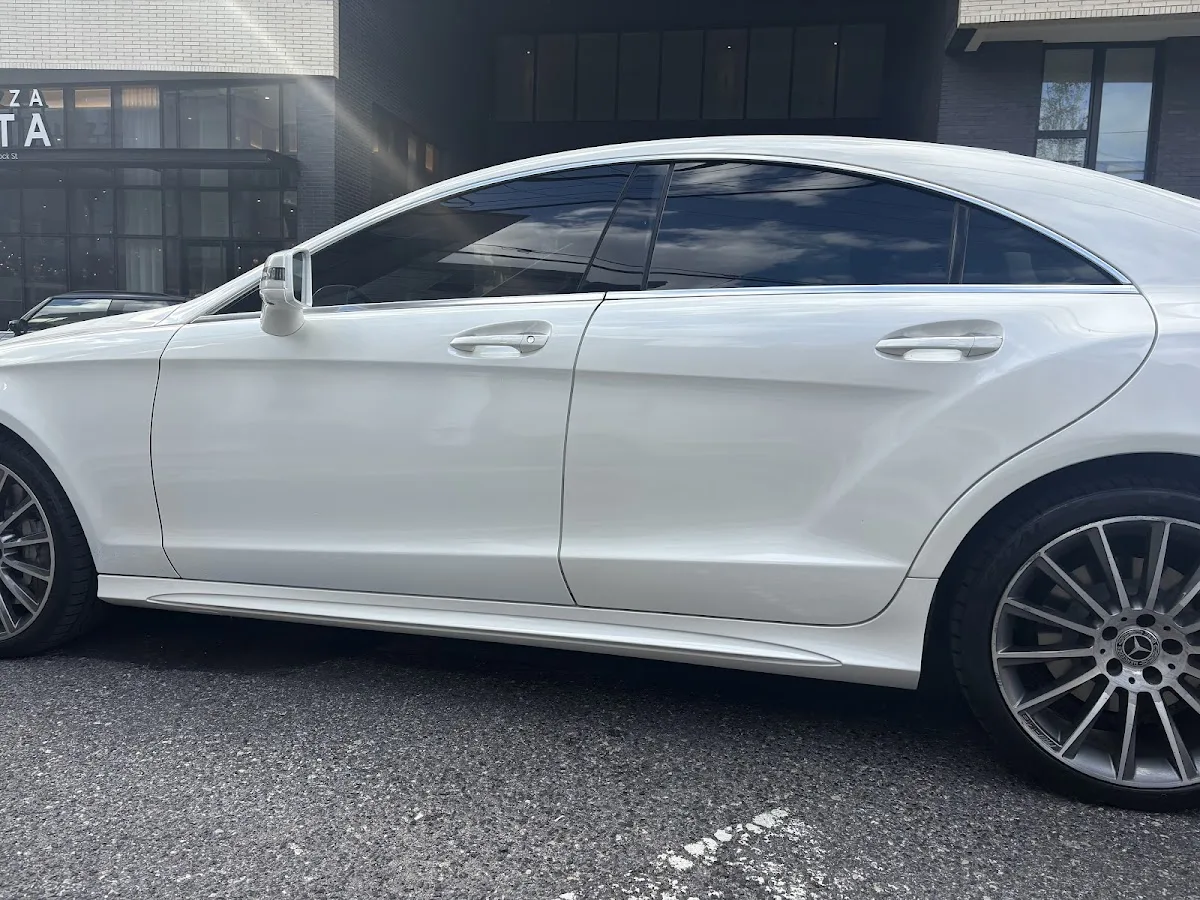
When your car needs collision repair, the fastest way to get stuck in the process is to approve paperwork that only reflects what’s visible on day one. Reno’s Auto Body & Repair Inc in Hartford, CT is a local collision repair center at 99 Hanmer St, and their own materials describe paint-matching capabilities plus an authorization flow that can change after parts are removed. Use the points below to make sure the estimate you sign matches the real work your vehicle will need.
Start by matching your paperwork to the correct Hartford repair location
Before you approve anything, confirm you’re working with the Hartford shop address (99 Hanmer St, Hartford, CT 06114) and the contact number tied to the repair authorization. Reno’s lists +1 860-296-7030 as the local point of contact and provides an official website at http://renosholdings.com/. This matters because collision repairs often involve multiple approvals (initial estimate, after-teardown findings, and supplements), and you want every step to stay connected to the correct location and case details.
Ask whether the estimate is “visible-only” or includes after-teardown scope
Many drivers receive an estimate based on visible damage. The issue is that collisions can hide structural and metal-fit issues until the vehicle is disassembled. Ask Reno’s how their estimate changes after a teardown: what gets reviewed again, how the revised scope is documented, and what you’ll need to sign if additional work is required. A clear after-teardown process helps you avoid surprise approvals and keeps paint and labor plans aligned with what’s actually being repaired.
Confirm the paint plan is panel-specific, not “one color fits all”
Reno’s notes that their paint technicians handle color matching techniques to help the repaired areas blend with the rest of the vehicle’s finish. That’s a good starting point, but you still need to confirm how the shop will treat your specific panels. Ask how they handle finish blending at the repair boundaries, and whether the plan reflects the actual damaged sections identified during teardown. If your repair involves multiple panels, confirm that the paint and refinishing scope is written with those areas in mind—because changing the metalwork plan late can create mismatched expectations.
Clarify supplements: what triggers extra work and how it gets approved
Supplements are common in collision repair, especially when hidden damage appears. The question isn’t “will there be supplements?”—it’s “how will supplements be handled when they happen?” Before repairs begin, ask what documentation supports a supplement (for example, a revised scope, updated documentation for the insurer or authorization party if applicable, and a written breakdown of the added parts/labor). You’ll want to know who contacts you, how quickly updates come in, and what the approval step looks like so you’re not forced to respond without information.
Use the shop’s communication to protect your timeline
Reno’s describes that repair duration varies based on the extent of damage and the specific repairs needed, and that they assess the vehicle to provide an accurate estimate of time for repairs. To make that timeline more reliable, ask when you should expect progress updates—especially after teardown and before any paint/refinish work begins. If your vehicle is needed for work or family plans, discuss how the shop schedules critical steps (inspection, teardown findings, paint prep, refinishing, and final checks) so you can plan around real milestones.
What to verify in the final paperwork before release
Before you pick up the vehicle, request written confirmation of the completed scope and any changes made during the repair process. If paint blending was part of the plan, ask what checks they perform to verify the finish quality on the repaired areas. Also confirm that any replaced parts, labor items, and supplement work are reflected in the final authorization paperwork.
Reno’s Auto Body & Repair Inc presents itself as a Hartford collision repair center focused on collision work and paint matching. By confirming location details, clarifying how estimates evolve after teardown, and requiring clear supplement documentation, you set up a smoother repair authorization experience—one where the paint plan and the metalwork plan stay in sync from first look to final release.