If you’re considering collision repair in Brooklyn, you can’t verify paint match by photos alone. What protects your expectations is the written estimate you approve—especially for refinishing, blend lines, and any work insurance may require. TNS Auto Collision is publicly listed at 1011 61st St, Brooklyn, NY 11219, with phone +1 718-259-0075, and an official booking consultation page at https://calendar.app.google/yBRNijgfxYMzpv4W9. Before you drop your car off, treat your first call as a way to confirm what the estimate actually includes.
Start with the exact scope that controls your final finish
Ask the shop to walk you through the estimate line-by-line, focusing on what will be repaired versus replaced. For paint outcomes, the key is specificity: which panels are being prepped, refinished, or blended, and what surface prep is included before paint. If the paperwork uses vague language like “repair as needed,” ask how the shop plans to document changes after teardown. You want the estimate to define a “done” state, not just damage removal.
Clarify the paint match plan: blend panels, not just color
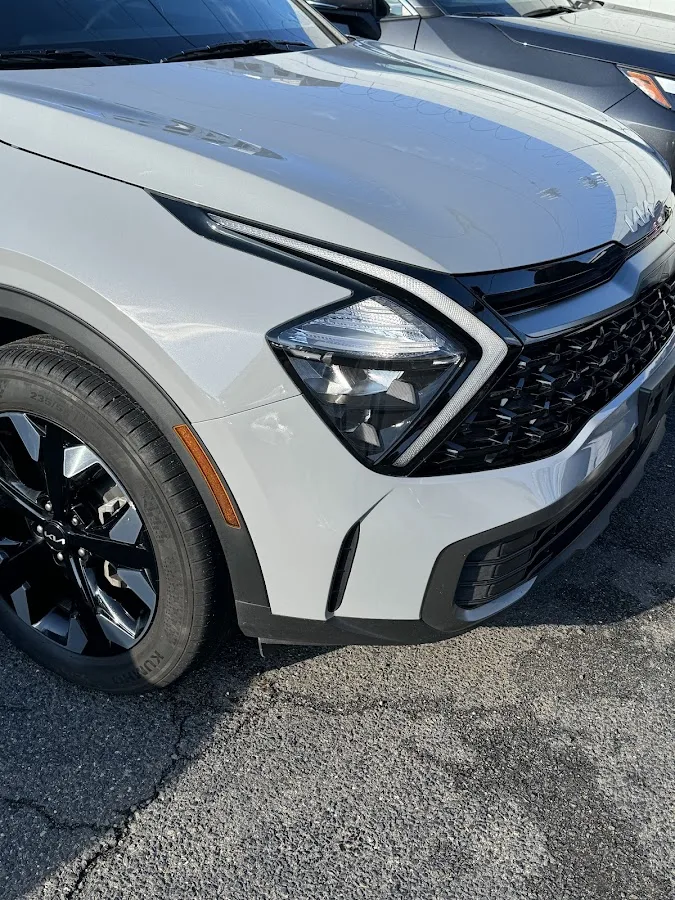
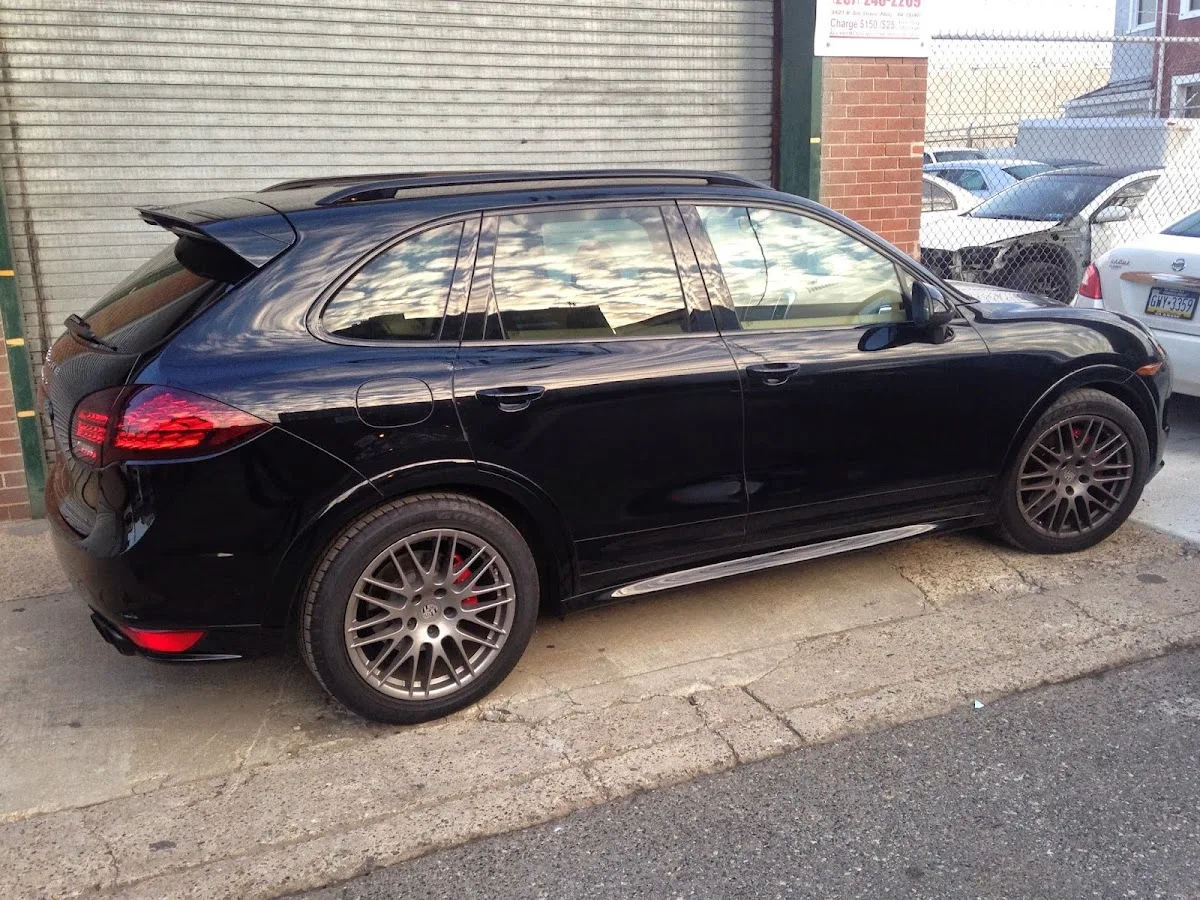
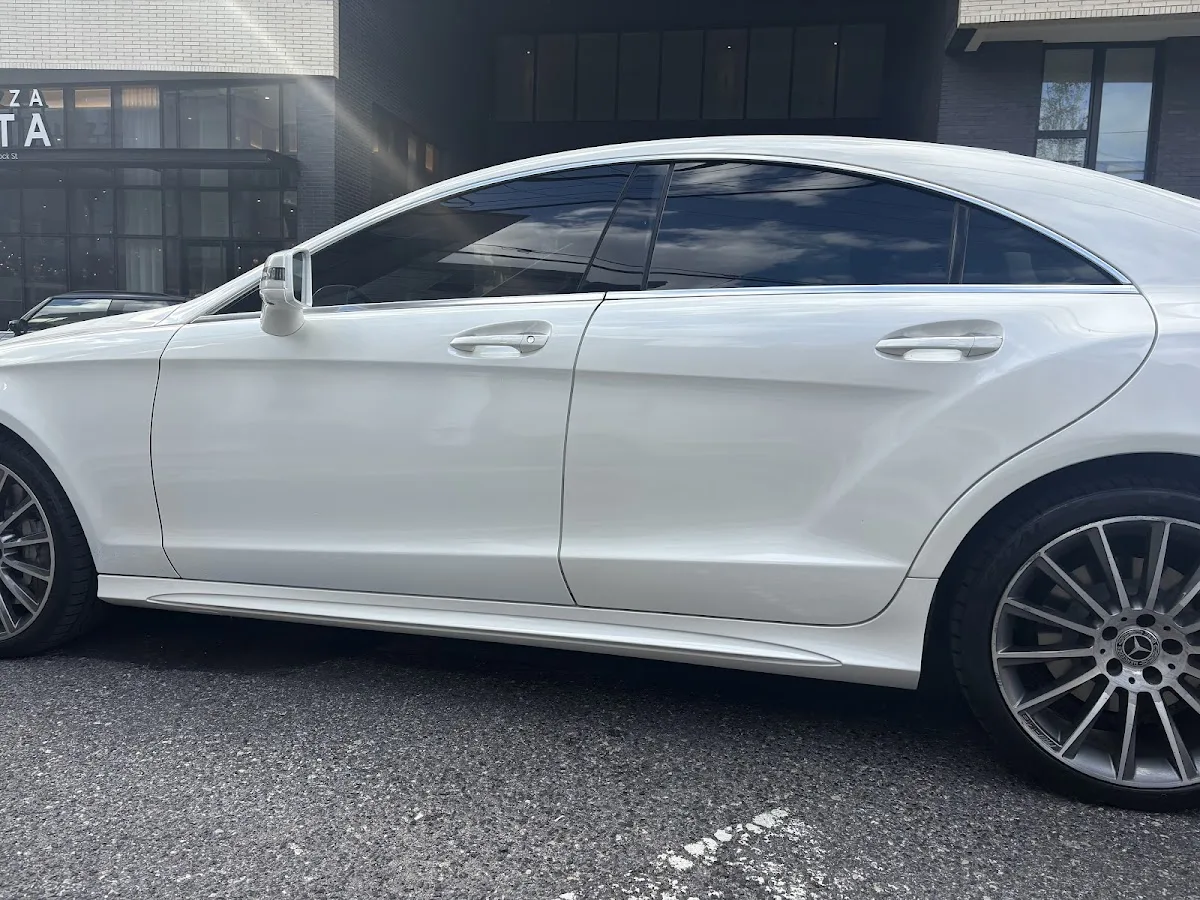
Paint match isn’t only about choosing the right color code. For collision repairs, it’s about how the shop blends and transitions the finish so the repaired area looks consistent from different angles. When speaking with TNS Auto Collision, ask what blending strategy will be used for your exact location of damage (for example, where blend lines will land), and whether the estimate specifies refinishing of affected panels rather than “touch-up” wording. This is also where you should confirm what the shop expects to do if the car’s existing finish varies by age, prior repairs, or environmental wear.
Make the authorization terms and supplement workflow concrete
Many owners get surprised not by the existence of additional damage, but by how supplements are handled. Ask how the shop contacts you after teardown and what you need to approve before more work is performed. If you’re working with an insurance claim, request clarity on the supplement process: whether the shop documents findings, how they communicate changes, and how they prevent incomplete scopes from delaying repair.
Document parts and calibrations that affect fit and appearance
The estimate should spell out the parts approach (repair vs. replace) and the expected outcome for fitment—especially for components that influence panel alignment and surface gaps. While you may not need the full technical explanation, you do need the estimate to state what’s being used and why. Ask whether parts are being ordered based on the approved estimate scope and how the shop handles parts availability or substitutions.
Check timing expectations: drop-off, teardown, and release paperwork
Because collision repairs depend on inspection and parts logistics, timing can’t be guaranteed on day one—but it should be communicated. Use your call to ask when teardown begins, how quickly the shop will review the damage for supplements, and what the shop considers a realistic communication window. Also ask what paperwork you receive when the work is complete, including what you should review before pickup (for example, that the painted surfaces match the approved scope).
Prepare questions that connect to your priorities
Decide what matters most to you: color appearance, smooth transitions, or minimizing downtime. Then ask those questions in the context of the estimate. A practical set of prompts is: “Which panels will be blended or refinished, and where are the blend boundaries described in the estimate?” “How do you notify me if the scope changes?” and “What documentation do I review at pickup to confirm the repair matches the authorized work?”
Use the contact points to verify you’re speaking to the right place
For TNS Auto Collision, start with the public contact signals on file: 1011 61st St, Brooklyn, NY 11219, phone +1 718-259-0075, and the official booking consultation page at https://calendar.app.google/yBRNijgfxYMzpv4W9. Because the strongest evidence of quality is in your estimate and approvals—not in marketing claims—plan your call so the shop answers directly from your vehicle details and the written scope you will receive. If you can’t get clear answers on blend plan, supplement workflow, and what’s included in prep and refinishing, that’s valuable information before you authorize repairs.
By using the estimate as your control document—scope, paint/blend specifics, authorization terms, and supplement handling—you reduce the odds of pickup-day surprises and give the shop a clear definition of “done.”