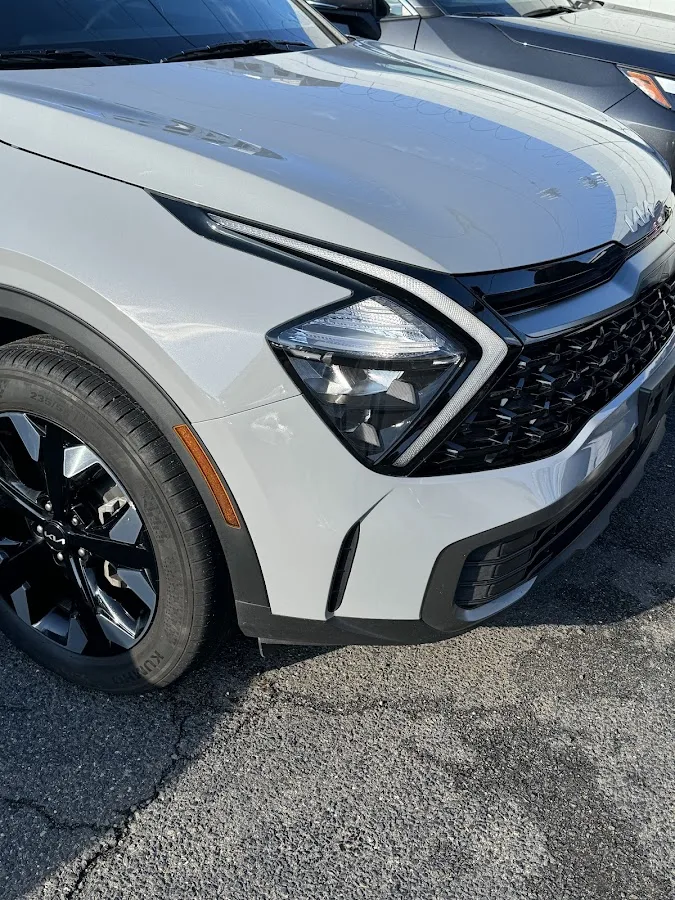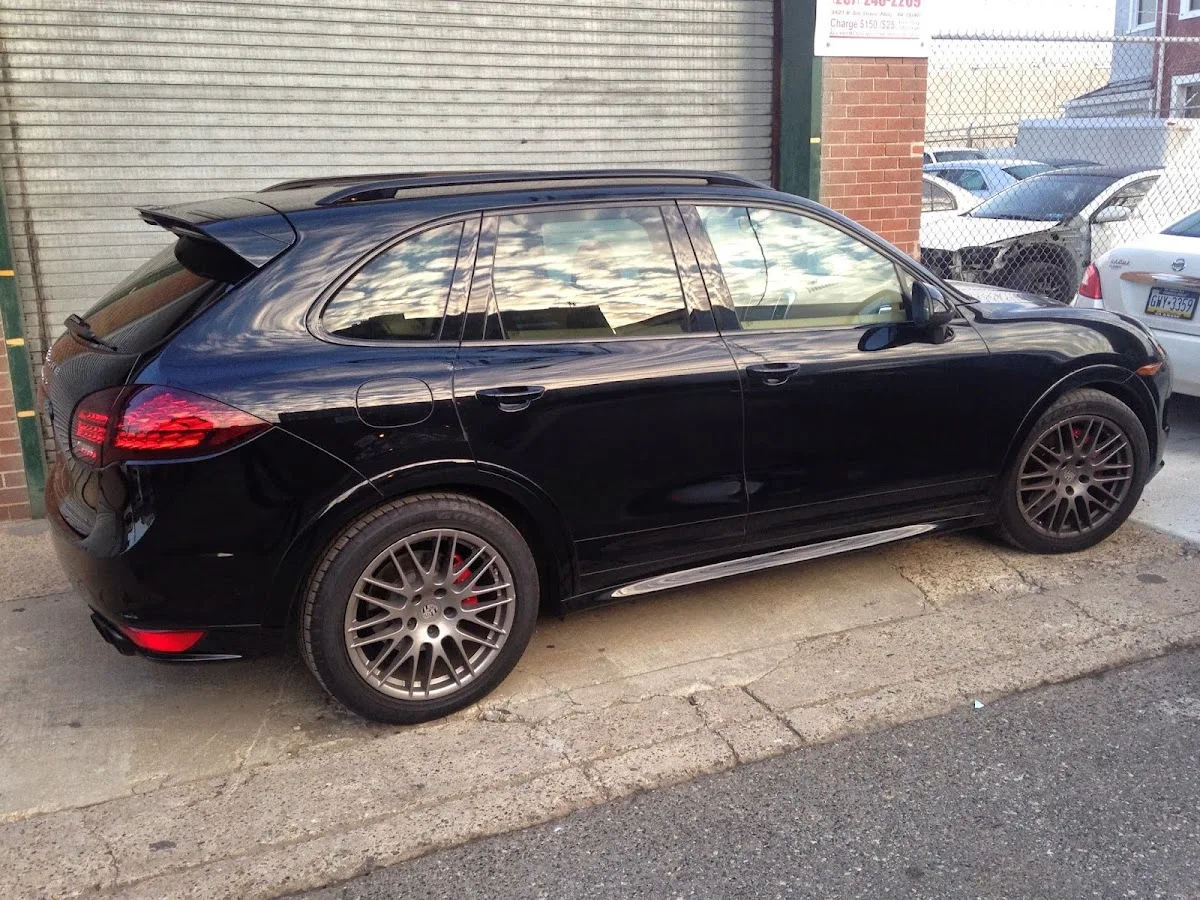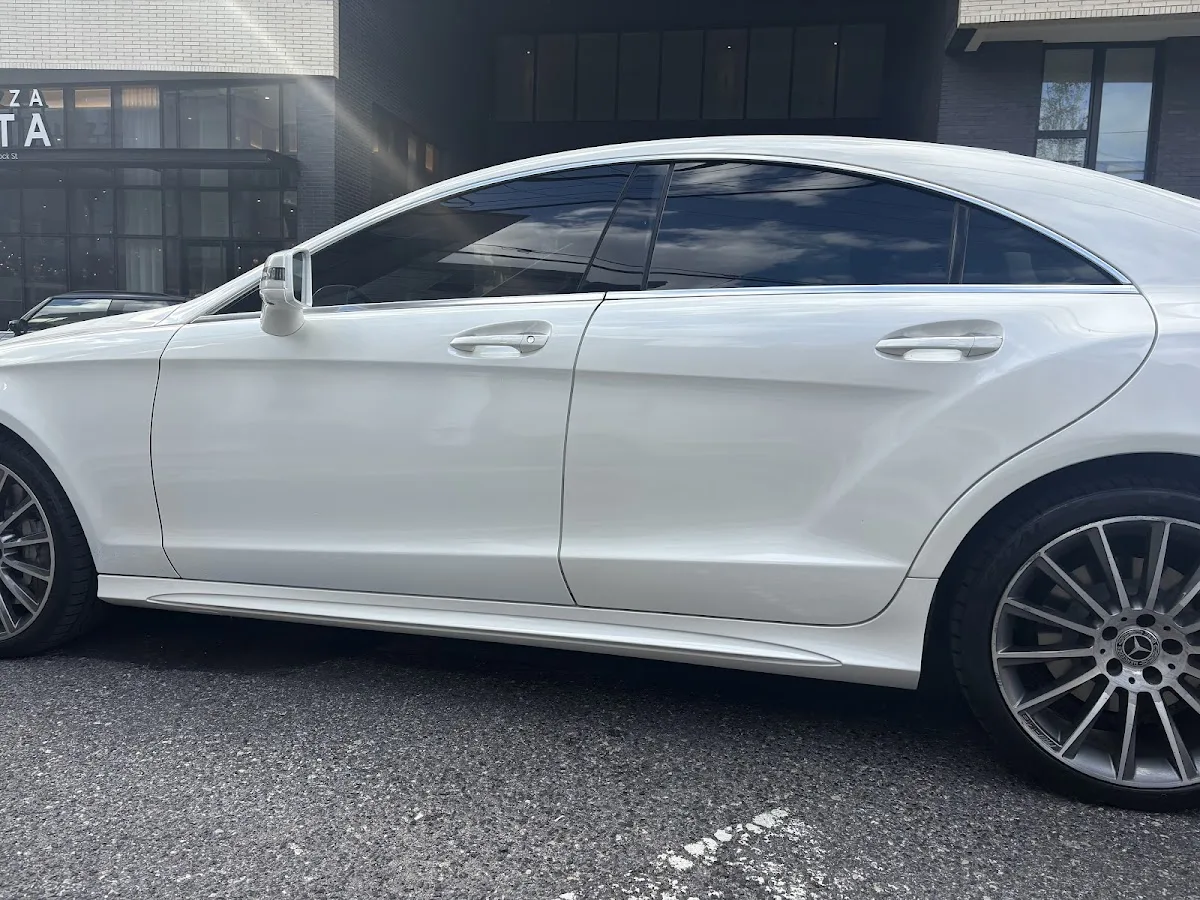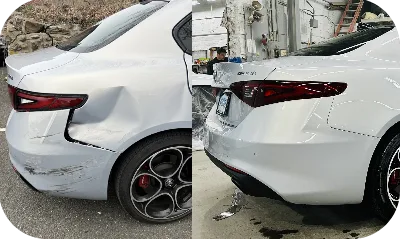
For a Stamford driver comparing collision repair centers, Twin Ridge Auto Body is worth evaluating through the details it publishes rather than through a broad promise of convenience. The shop is listed at 22 Fahey St, Stamford, CT 06907, United States, and its official website identifies the operation with auto body repair, collision repair, paint and refinishing, and vehicle maintenance. That combination may suit an owner whose accident involves both visible body damage and a follow-up mechanical concern. It is still important to confirm the exact scope, timing, parts plan, and warranty before work begins.
Fahey Street gives the comparison a practical starting point
Location matters after a collision because an estimate, drop-off, supplement, or final inspection may require more than one conversation. Twin Ridge’s published address gives Stamford drivers a concrete place to verify against a map, insurance paperwork, and any towing or rental-car arrangements. The public contact number is +1 203-327-6224. A first call should confirm that the shop is accepting the particular vehicle, whether an appointment is needed for an estimate, and what documents or claim information the owner should bring.
The official site also provides a direct online reference at https://twinridgeautobody.com/. Because business hours and appointment availability can change, the website and phone call should be treated as the current check before a driver heads to Fahey Street. The goal is not simply to find an open shop; it is to establish whether the location can handle the vehicle’s repair stage and the owner’s schedule.
The published service mix favors a damage-first conversation
Twin Ridge’s website lists collision repair, auto body and refinishing services, custom paint, and auto glass repair. It also describes car and truck care, brakes, alignment, steering and suspension, transmission service, and light-duty fleet maintenance and repair. These signals make the shop a potentially relevant option when a collision has raised questions beyond a dented panel or scraped bumper. They do not prove that every repair, vehicle system, or insurance requirement will be handled in the same visit.
Before approving an estimate, the owner can describe the impact, warning lights, drivability symptoms, glass damage, and panels that appear out of alignment. Asking whether the inspection will include related suspension, steering, alignment, or glass concerns can prevent the conversation from narrowing prematurely to exterior appearance. If the vehicle drives normally and the issue is mainly cosmetic, the paint and refinishing discussion may deserve more attention than the broader maintenance list.
Paint matching should be separated from the collision estimate
Refinishing is one of the clearest decision points in Twin Ridge’s public service description. A useful conversation should cover how the shop plans to match the existing color, whether adjacent panels may need blending, and what surface preparation is included. Owners should ask how the written estimate identifies paint labor, materials, replacement panels, and any work that may be added after disassembly.
The website says its estimating system is compatible with insurance-company processes and updated monthly for parts-price accuracy. That is useful context for a claim discussion, but it is not a substitute for reviewing the actual estimate. The owner should compare the approved scope with the visible damage and ask who must authorize a supplement if hidden damage is found. A clear paper trail helps distinguish an insurer’s payment decision from the repair center’s technical recommendation.
Experience and equipment are questions to verify, not assumptions
Twin Ridge’s site states that the business has served Stamford since 1996, operates in a 5,000-square-foot facility, and uses what it calls state-of-the-art equipment. It also says its mechanics are I-CAR trained in refinishing and welding. Those are specific claims from the company’s own website, so a cautious customer can ask how they relate to the proposed job: who will perform the structural or refinishing work, what measurements or scans are required, and whether any post-repair checks are included.
For newer vehicles, the conversation should also address sensors, cameras, calibration, and manufacturer repair procedures when those systems may have been affected. The available public information does not establish a universal calibration policy or guarantee a particular repair outcome. Asking for a written answer tied to the vehicle’s make, model, and damage is more useful than relying on a general equipment statement.
A good fit depends on the owner’s next questions
Twin Ridge Auto Body may deserve a call when a Stamford owner wants one location to discuss collision repair, refinishing, glass, and possible related vehicle issues. It may be less suitable if the required specialty, timing, rental arrangement, or coverage terms cannot be confirmed. Before authorizing work, ask for the repair scope, parts choices, supplement procedure, expected milestones, payment responsibilities, and warranty terms in writing. Then confirm the details directly at 22 Fahey St or by calling +1 203-327-6224. That process gives the owner a more reliable basis for choosing a Collision Repair Center than a service list alone.