Choosing a collision repair shop is more than finding someone who can fix damage. It’s about having a clear repair workflow from estimate to final results—so you know what’s being done, what’s been approved, and what to check before you drive away. If you’re comparing options for collision repairs, starting with communication and documentation can help you avoid surprises later in the process.
For a local reference point, Metro Auto Body operates at 96-14 Northern Blvd, Corona, NY 11368, United States. If you need to reach the shop directly, the phone number is +1 718-335-2300. Having these details handy makes it easier to ask follow-up questions as the repair scope is reviewed or changes after inspection.
What to look for in a collision repair estimate
A strong estimate doesn’t just list repairs—it should describe the work needed based on the damage observed. In many collision repairs, that includes bodywork and refinishing steps so the vehicle’s appearance matches its pre-damage condition as closely as possible.
Before you approve anything, look for clarity on what’s included and what might change after further inspection. If the estimate is vague or you can’t tell why certain work is recommended, ask for clarification. A good shop should be able to explain what will be repaired and why, rather than leaving you to guess what’s covered.
How updates should work while repairs are in progress
Even a well-prepared estimate can evolve once parts are removed or more damage is identified. That’s why communication matters during the repair process. When you choose a shop, confirm how you’ll receive updates—whether by phone or in person—and how the shop handles questions if the scope changes.
It also helps to ask what triggers notification. For example, if additional work is discovered after inspection, you should understand how the shop will discuss the change and what you’ll need to review to keep approvals clear.
Document the vehicle condition before repairs start
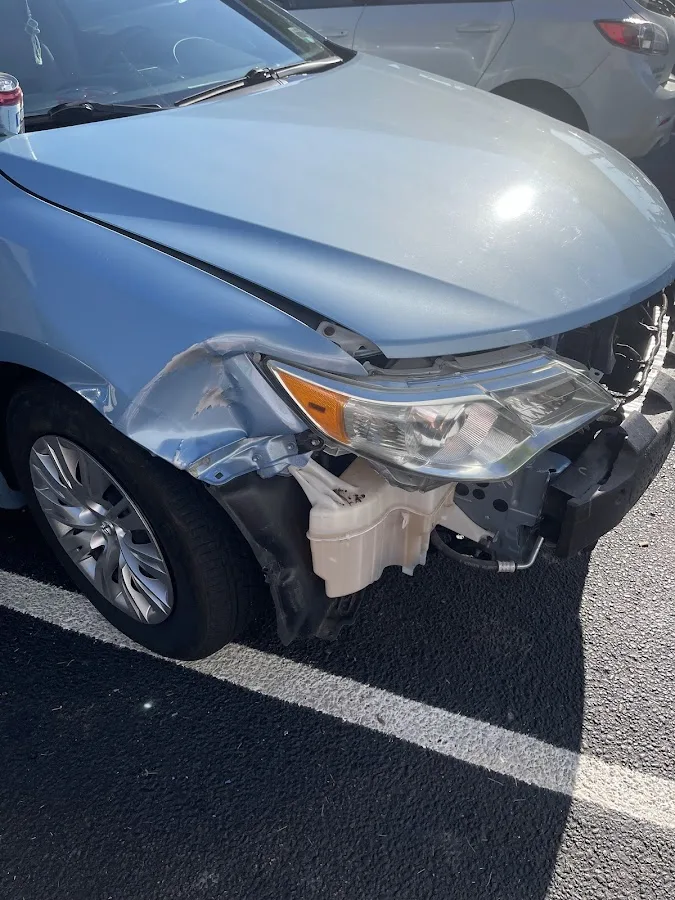
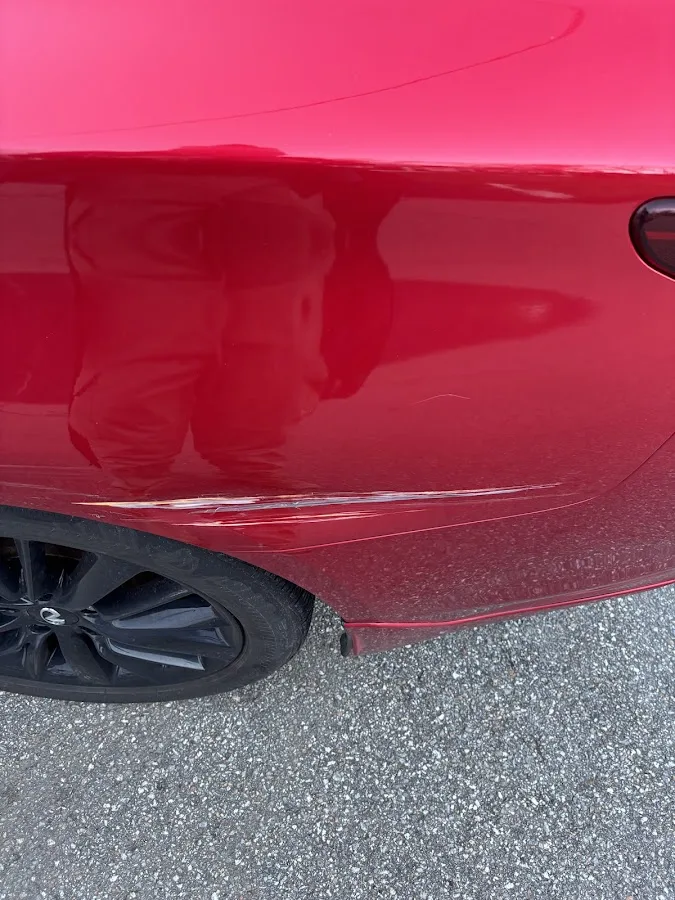
To keep expectations aligned, document the vehicle’s condition before repairs begin. If you have photos from the time of the incident, keep them for your records. That way, you can compare the pre-repair condition with the finished work later.
When the repair is complete, this documentation can guide a more careful review. Compare the repaired areas with what you documented before the work started, and confirm the work performed aligns with the estimate you approved.
Questions to confirm before approval
- How will you receive updates during the repair process?
- What is included in the estimate, and what might change after further inspection?
- How does the shop handle additional damage discovered once repairs begin?
- What should you review at pickup to confirm the completed work matches the approved scope?
Final checks at pickup: focus on workmanship and finish
Before you leave the shop, take time to review the repaired areas. Look for consistency in the repaired panel surfaces and overall finish quality. If anything doesn’t look right, bring it up right away so it can be addressed before you drive.
A well-run repair experience should end with you feeling confident about the results, not uncertain. If you’re unsure about a detail, ask questions while you’re still there—so the shop can address concerns in real time.
If you plan to move forward with a repair, keep your priorities simple: confirm the estimate details, understand how updates are handled during the repair, and compare the finished work to what you approved and to the vehicle’s documented condition. With clear communication and a defined repair scope, collision repairs can feel more predictable—and your vehicle’s return to the road can be safer and more reassuring.