Damage on a car can look straightforward while leaving different repair questions behind the visible mark. A crease near a wheel, a scraped panel, or paint that no longer matches may call for different inspection and estimate discussions. Phil’s Body Shop and Auto Painting in Harrisburg lists collision and frame repair, auto painting, and paintless dent repair among its services. Its published equipment details also give drivers a concrete way to ask how a proposed repair will be evaluated—without assuming that every tool or operation applies to every vehicle.
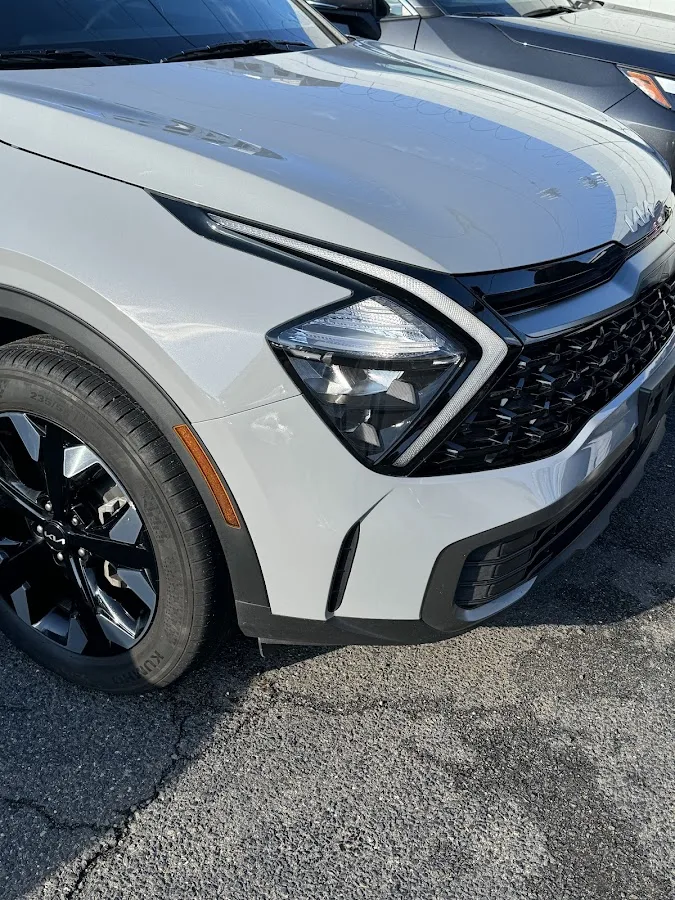
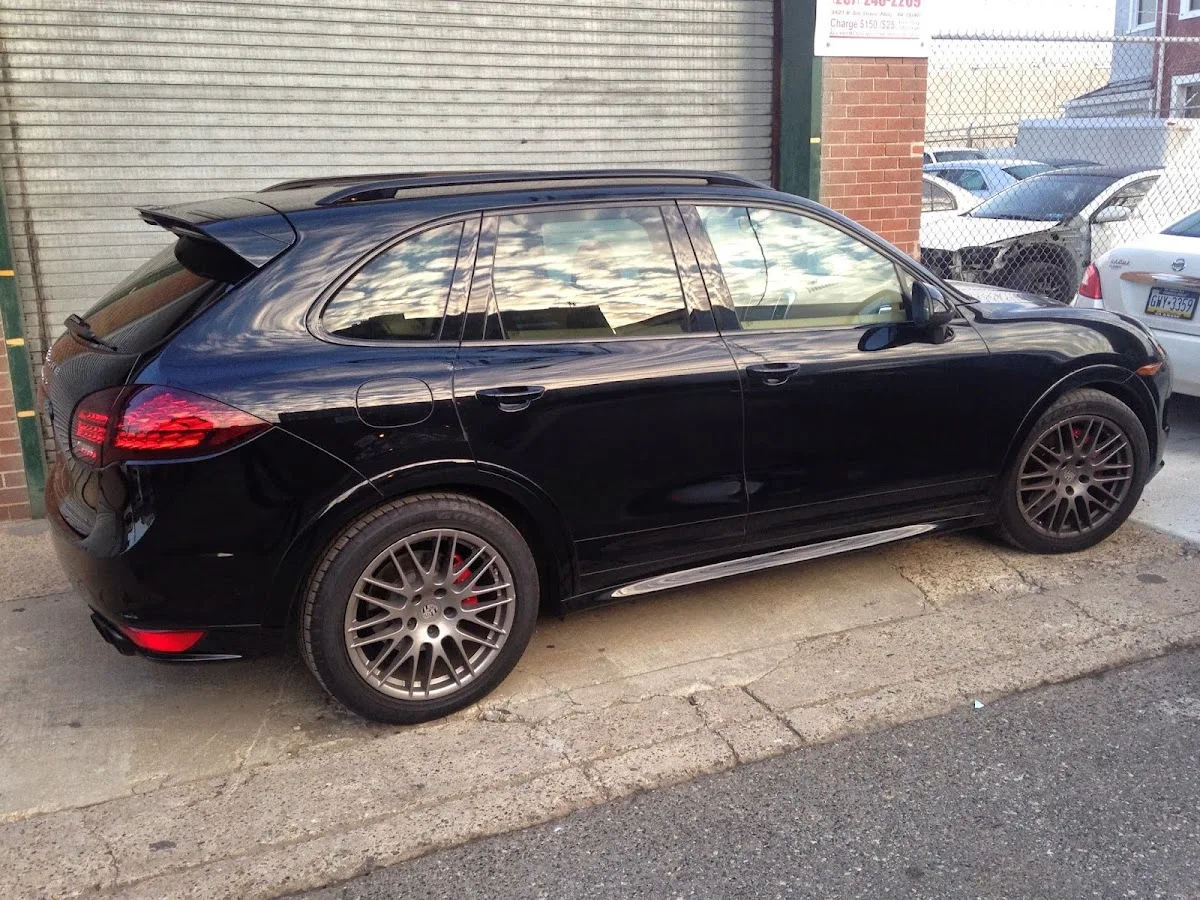
Start with the damage, not a presumed repair method
Phil’s website describes work ranging from low-cost scratch repair and spot repair to frame repair, rust repair, fiberglass repair, glass replacement, and welding. That range is useful context, but a service list cannot determine the scope for a particular vehicle. When requesting an estimate, describe where the impact occurred, what panels or glass appear affected, and whether anything seems out of alignment. Ask the shop to explain which visible and related areas it inspected and which repair operations are included in the written estimate.
This distinction matters when comparing estimates. Two documents may use different operation names or cover different portions of the damage. Rather than treating a shorter or longer list as automatically better, compare what each estimate says about the affected parts, repair versus replacement, paint work, and any items still requiring inspection. If new damage becomes apparent after work begins, ask how any proposed scope change will be documented and approved.
Ask when frame measurement is relevant
The business lists frame repair and identifies a Car-O-Liner frame machine and Car-O-Tronic electronic measuring system on its collision-repair page. Those are specific equipment signals, not a promise that a given collision involves frame damage or that a particular measurement procedure is required. A useful estimate conversation is to ask whether the damage calls for structural measurement, what the inspection found, and how any recommended frame operation will appear in the repair plan.
For a vehicle with damage near structural areas, ask the estimator to distinguish what is confirmed from what is still uncertain. The estimate or later documentation should make it possible to understand why a structural operation is proposed and what it addresses. If the answer depends on further inspection, clarify what would trigger that next step and how the driver will be informed before additional work is authorized.
Make paint matching part of the written discussion
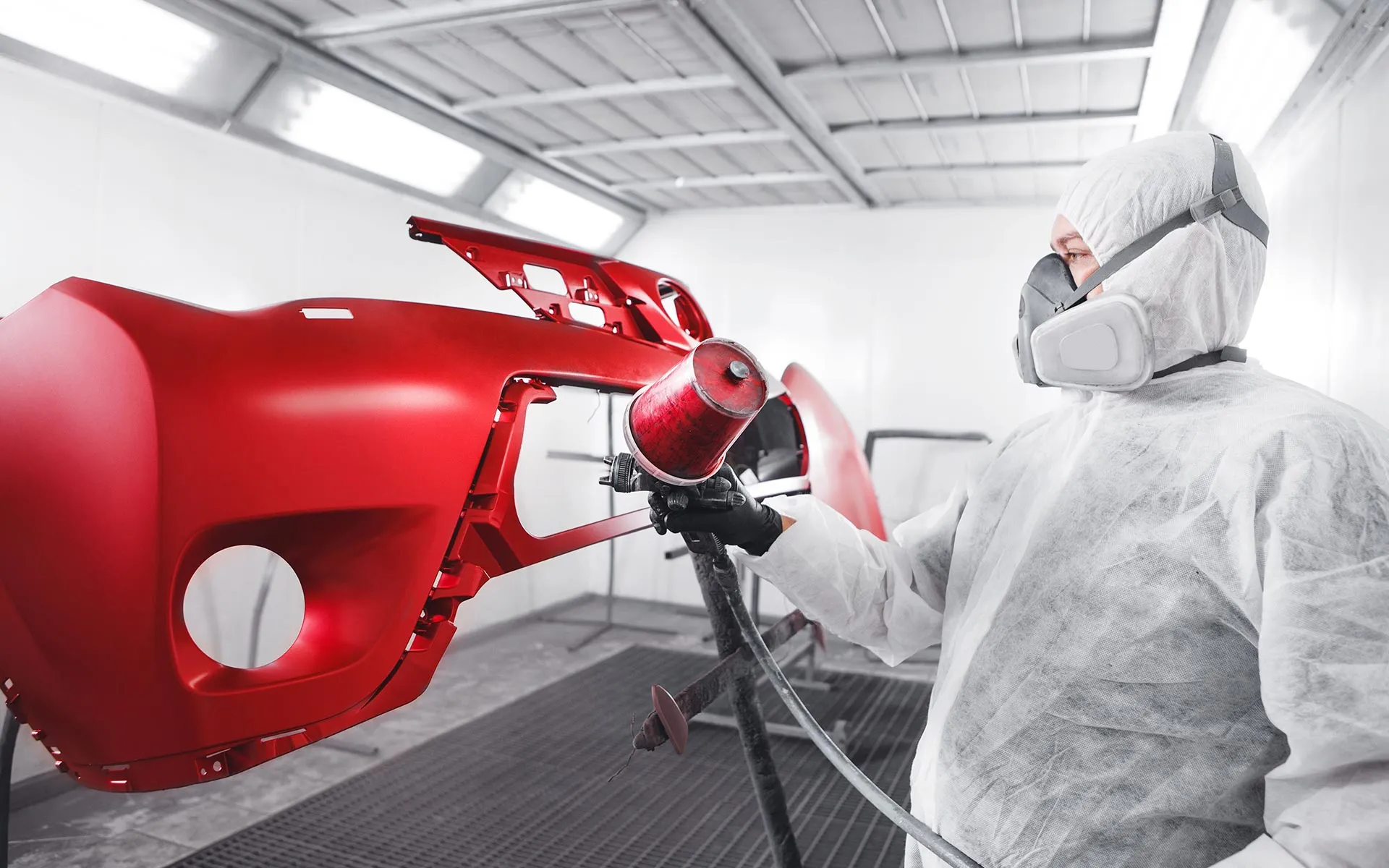
Phil’s website says its auto-painting work uses a computerized paint-mixing system, a downdraft spray booth, and computer color matching. These published details can help a driver ask focused questions about a painted repair: which panels will be refinished, whether adjoining panels are part of the proposed paint scope, and how the shop will assess color match for the specific vehicle. The website’s equipment description does not establish the finish result for an individual repair, so the vehicle-specific plan still matters.
When reviewing the estimate, look for a clear description of the parts and paint operations rather than relying on a general phrase such as “body work.” Ask how any related panel work will be handled, what finish expectations are included, and whether the written estimate identifies a warranty or other terms. The available source material does not specify warranty conditions, so those terms should be confirmed directly and reviewed in writing before approval.
Choose the right lane for dents and surface damage
The shop lists paintless dent repair as well as scratch and spot repair. Those service names provide options to discuss, not a diagnosis of which method fits a particular dent. Ask whether the affected panel and paint condition are suitable for the proposed approach, what the estimate includes, and whether refinishing or another operation may also be needed. For more extensive damage, the shop’s published list includes collision repair and frame repair, so it is reasonable to ask how the estimate separates cosmetic work from any structural concerns.
Phil’s page says free estimates are available and that the shop accepts estimates from all insurance companies. It also identifies direct-repair relationships with GEICO and The General. Those statements do not establish a driver’s coverage, payment responsibility, or claim outcome. Bring the estimate and claim information if relevant, then confirm directly how the shop handles the particular paperwork and what approvals are needed before work starts.
Use the Harrisburg details to close open questions
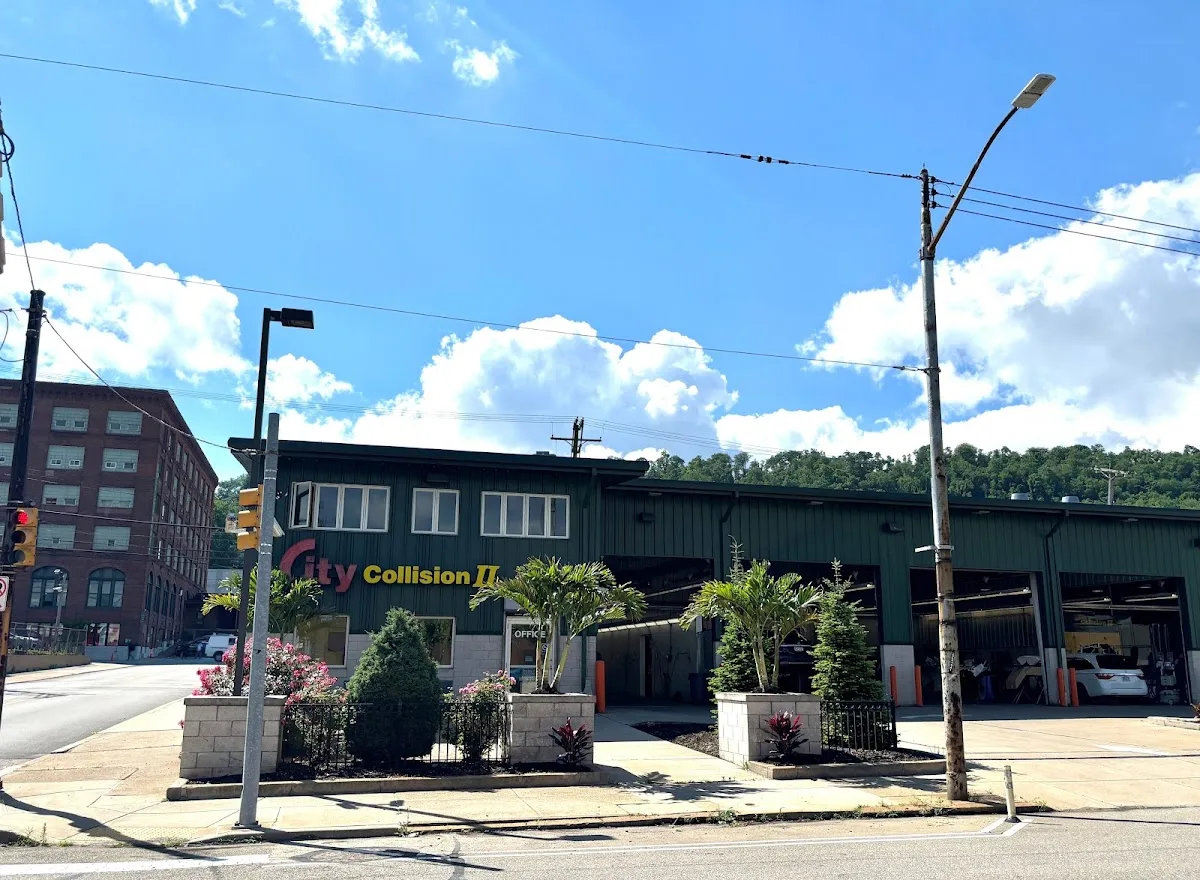
Phil’s Body Shop is listed at 3715 Derry St, Harrisburg, PA 17111, United States, and its published phone number is +1 717-564-9202. The official website is http://www.harrisburgbodyshop.com/. Before arranging a drop-off, use those details to verify the current service fit, estimate process, and any appointment or transportation needs. The site lists towing and rental-car assistance, but drivers should confirm whether either is available for their situation and what arrangements apply.
A practical comparison is not simply a contest between equipment lists. It is whether the estimate connects the observed damage to specific operations, explains where more inspection may be needed, and makes paint and structural questions understandable. Phil’s published repair range and equipment give Harrisburg drivers useful subjects to raise; the written scope and direct answers determine whether the proposed plan fits the vehicle and the driver’s needs.