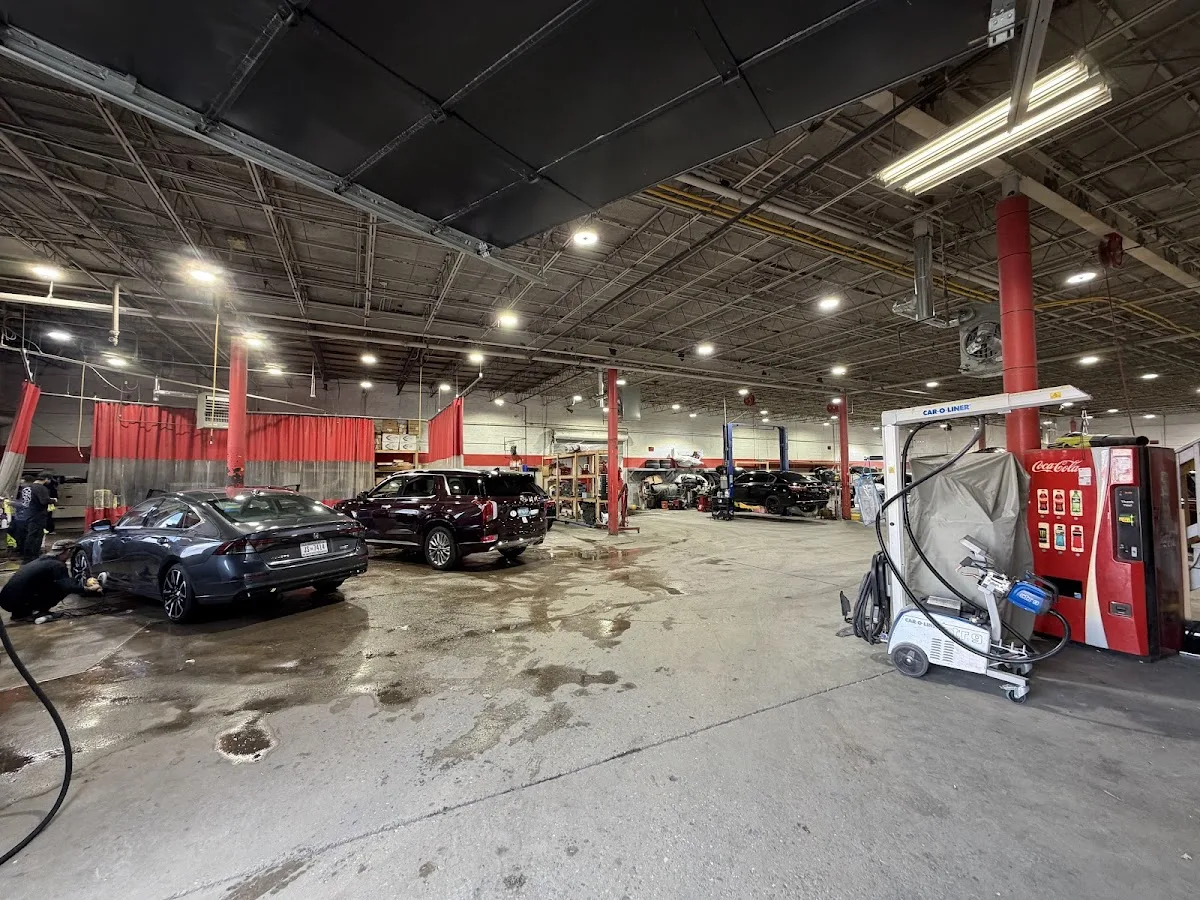
A collision repair estimate can change after teardown because the first inspection is based on damage that can be seen and assessed before parts are removed. Taking off a bumper cover or trim can expose components that were hidden, or give the repairer better access to evaluate a part already listed. A useful revision should make those changes understandable: what was newly found, what work changed, and how the updated plan affects cost and timing.
An initial inspection shows only what is accessible
An estimate is a proposed plan built from the information available at the time, not a complete map of every component behind the damaged exterior. A visual inspection may show a cracked bumper cover, scraped paint, or a panel pushed out of position, while the condition of a mounting point or support behind it remains uncertain until the surrounding parts are removed. Even where there is no obvious exterior opening, the visible surface cannot show every connection or adjoining component.
The estimate translates observed damage into proposed operations and parts. It may list repair work for a visible component, replacement of a part that appears damaged, or steps needed to refinish an area. Those lines describe an intended scope; they do not mean that every concealed part has already been examined. This distinction explains why an initial estimate can be useful without being final. It records a starting assessment, and later inspection can add information that changes the plan.
For a driver, the practical point is to read the first version as a baseline rather than assume it accounts for every condition that will become visible. That does not make every later change self-explanatory. The revised document still needs to connect the additional or altered work to a finding or repair operation.
Disassembly can reveal damage that changes the repair plan
Once outer components are removed, damage to an underlying bracket, support, or adjacent part may become visible. A newly identified part can require its own repair or replacement operation. In other cases, the closer view changes how a component already on the estimate can be repaired. Either kind of finding can change the labor, parts, or sequence included in the proposed work; the important question is what changed and why.
Consider a hypothetical estimate for a damaged bumper cover. After removal, the revision adds a mounting bracket that was not visible during the first inspection. The driver can ask where the damage was found, whether the bracket is being repaired or replaced, and which line in the revised plan reflects that work. Those questions seek a link between the discovery and the added operation, rather than treating the higher total by itself as proof that the revision is right or wrong.
Newly visible damage can also affect timing because the repair plan has changed. A reader should distinguish an estimate revision from a promise about a completion date: the document can show added work and its stated cost, while timing may need to be discussed separately. Avoid assuming that every added line causes the same delay; the effect depends on the specific work and circumstances of the repair.
Read the revision as a change log
Compare the original and revised versions line by line. First identify new entries, then note changes to parts, quantities, or operations that were already listed. For each difference, look for a clear explanation of the damage found or the repair step it addresses. If a line is unclear, ask the repairer to point out the related finding and explain how that operation fits the revised scope.
Next, separate the physical repair change from its financial and scheduling consequences. Review the revised total and any line-item amounts alongside the specific added or altered work. Ask how the revision changes the expected completion timing, and request that the updated expectation be made clear. If an insurer or another party is involved in the claim, clarify who needs to review or authorize the revised scope before the work proceeds; processes can vary, so do not assume the estimate alone settles that question.
Keep both versions and any explanations together. That makes it easier to see whether a later change reflects a new discovery, a correction to an earlier line, or a different proposed operation. If you are considering a local collision-repair provider, view T&J Auto Body Repair’s directory details; use the estimate and direct discussion to assess the scope of a particular repair.
The clearest way to evaluate a post-teardown estimate is to follow each revision from finding to operation to practical effect. When that chain is understandable, you can make a more informed decision about the changed scope instead of judging the document by its new total alone.